
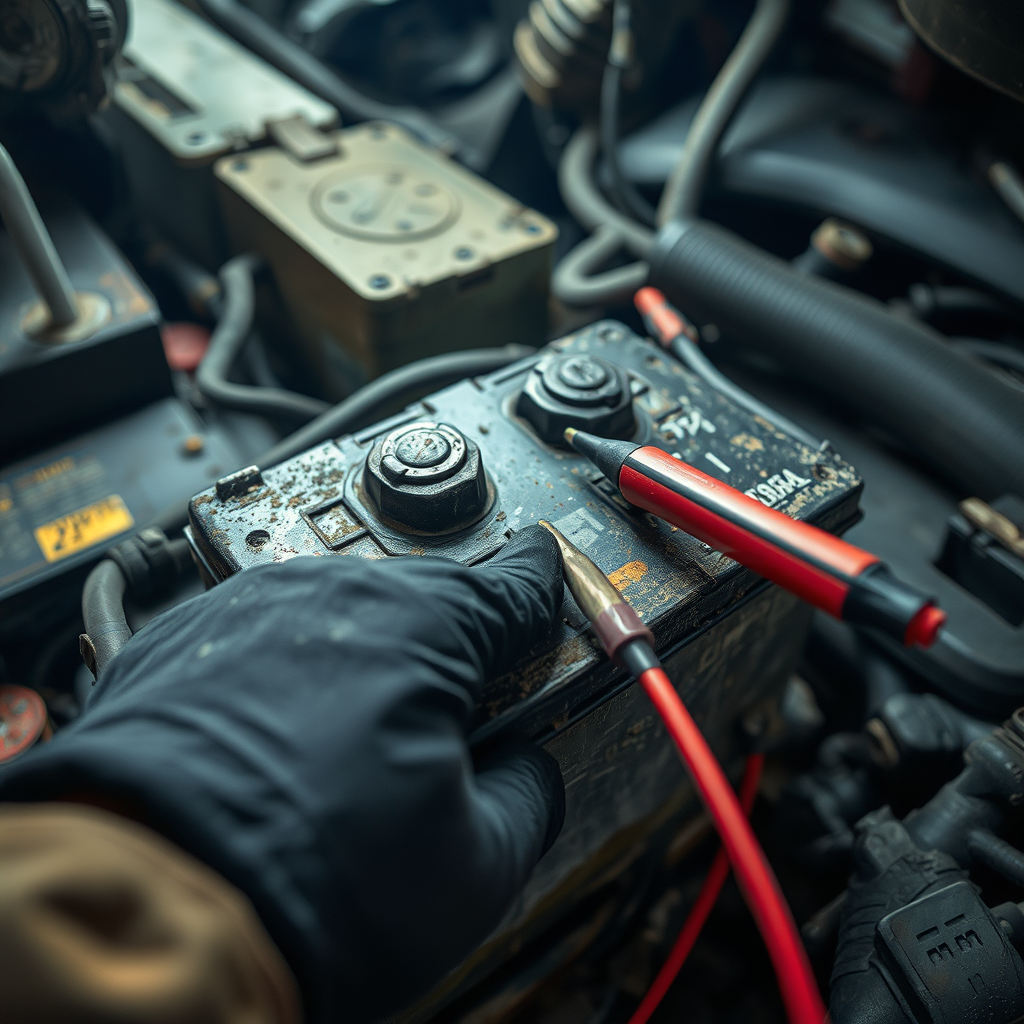
Understanding Electric Car Battery Life
Electric vehicles are becoming increasingly popular, and understanding the components that power them, such as the car battery, is crucial. Central to these vehicles is the lithium-ion battery, known for its efficiency and energy density. The basic structure of a lithium-ion battery includes several key components: the anode, cathode, electrolyte, separator, and current collectors. These elements work together to store and release energy, enabling the car to run efficiently.
The anode and cathode are the primary components where the energy storage and discharge occur. The electrolyte serves as a medium for the lithium ions to move between the anode and cathode, while the separator prevents contact between the two, avoiding short circuits. Current collectors aid in transferring the electric current from the battery to the electric motor that powers the vehicle.
However, like any other battery, lithium-ion batteries undergo degradation over time, impacting their overall lifespan. Battery degradation is influenced by various factors, such as the number of charge cycles, temperature extremes, and how the car battery is maintained. For instance, frequent exposure to high temperatures can accelerate degradation, reducing the battery’s efficiency more quickly.
To ensure your car battery performs optimally, regular battery maintenance is essential. Here are some actionable tips to prolong battery lifespan: avoid extreme temperatures by parking in shaded areas or garages, follow the manufacturer’s guidelines for charging cycles, and ensure the battery is not left at a low state of charge for extended periods.
Understanding and addressing battery degradation is critical for ensuring the best battery performance over the lifespan of your vehicle. While truck batteries and other automotive batteries share some similarities, the specific needs of an electric car battery should not be overlooked. By staying informed and proactive, you can maximize the battery lifespan and maintain the vehicle’s performance effectively.
Electric vehicle (EV) owners often focus on the performance of their car battery, as it plays a crucial role in the overall efficiency and sustainability of their vehicles. Understanding the key factors that affect EV battery performance can help maximize its lifespan and effectiveness. Here, we explore the impact of EV charging cycles and the effects of temperature and driving habits on battery degradation.
Impact of EV Charging Cycles on Battery Lifespan
The charging cycle of an EV significantly influences the car battery’s lifespan. Each time a battery is charged from 0% to 100%, it completes one full cycle. However, frequent full discharges and charges can accelerate battery degradation. To maintain optimal performance, it is advisable to keep the charge level between 20% and 80%. This practice reduces the number of full cycles and enhances the battery’s longevity.
For practical application, consider setting a charging schedule that aligns with your driving habits. If you primarily use your EV for short trips, charging up to 80% might suffice, preserving the battery’s health. Many modern EVs come equipped with smart charging systems that can be programmed to charge during off-peak hours, reducing energy costs while ensuring the best battery maintenance.
Effect of Temperature and Driving Habits on Battery Degradation
Temperature extremes can significantly affect your car and truck battery performance. High temperatures can cause the battery to overheat, leading to faster chemical reactions that degrade the battery more quickly. Conversely, cold temperatures can increase the battery’s internal resistance, reducing its efficiency and range.
To combat these effects, parking in a garage or shaded area can protect your vehicle from extreme temperatures. Additionally, preconditioning your EV to the desired temperature while still plugged in can help maintain battery health.
Driving habits are another critical factor. Aggressive driving, characterized by rapid acceleration and hard braking, can lead to increased battery wear. Adopting a smoother driving style not only extends the battery lifespan but also improves overall vehicle efficiency.
By understanding and managing these factors, you can ensure your car battery performs optimally, providing a reliable and efficient driving experience. For truck owners, similar principles apply, and selecting the best battery in alignment with your usage patterns is crucial for maintaining long-term performance.
Insights from Battery Lifespan Studies
Recent studies on battery lifespan offer valuable insights into the longevity and efficacy of both car battery and truck battery options available in today’s market. These studies reveal that while a typical car battery is designed to last between three to five years, real-world performance can vary significantly based on factors such as climate, usage patterns, and maintenance practices. For instance, batteries in colder climates tend to last longer due to reduced heat exposure, whereas those in hotter regions may experience a shortened lifespan due to accelerated chemical reactions.
When analyzing battery warranty data alongside real-world performance results, it becomes apparent that a longer warranty does not always equate to the best battery choice. Warranties often cover defects and premature failures but rarely account for degradation due to normal wear and tear. For example, a battery with a five-year warranty might still underperform if not properly maintained. This highlights the importance of regular battery maintenance, such as ensuring clean terminals and checking the charge level periodically, to maximize battery lifespan.
To provide a practical perspective, consider the following checklist for extending your battery’s life:
- Regularly inspect and clean battery terminals to prevent corrosion.
- Ensure your vehicle’s electrical system is functioning properly to avoid overcharging or undercharging the battery.
- Avoid short trips, as they don’t allow the battery to fully recharge.
- Use a battery maintainer if the vehicle is stored for prolonged periods.
Frequently Asked Questions:
- What factors most affect a battery’s lifespan?
- Temperature extremes, frequency of use, and maintenance practices are the primary factors affecting battery lifespan.
- How can I determine the best battery for my vehicle?
- Consider factors such as climate, driving habits, and vehicle specifications. Always consult your vehicle’s manual and seek batteries with a balance of warranty and real-world performance data.
In conclusion, understanding the nuances of battery lifespan through studies and warranty analyses enables consumers to make informed decisions about their automotive power needs. By focusing on maintenance and informed purchasing, drivers can ensure both their car battery and truck battery deliver optimal performance throughout their lifespan.
Electric Vehicle Battery Maintenance Practices
Electric vehicles (EVs) are revolutionizing the way we commute, but the heart of these vehicles—the car battery—requires special attention to maintain peak performance and prolong its lifespan. Here, we delve into the best practices for optimizing electric vehicle battery maintenance and offer tips to enhance your EV’s range and performance.
Best Practices for Optimizing Electric Vehicle Battery Maintenance
1. **Regular Charging Routine**: Establishing a consistent charging routine is crucial for maintaining your EV’s car battery health. Unlike the traditional truck battery, an EV battery benefits from partial charges rather than waiting for it to deplete completely. Aim to keep your charge between 20% and 80% to optimize the battery lifespan.
2. **Temperature Management**: Extreme temperatures can adversely affect battery performance. During hot months, park your EV in the shade or a garage to prevent overheating. In colder climates, pre-warm your vehicle’s battery while it’s still plugged in to avoid unnecessary battery drain. Using these strategies can help maintain the best battery performance through seasonal changes.
3. **Software Updates**: Stay updated with the latest software releases from your EV manufacturer. Often, these updates include improvements in battery management systems, helping to optimize charging cycles and extend the car battery life.
Tips for Prolonging Electric Vehicle Range and Performance
– **Eco-Mode Driving**: Utilize your vehicle’s eco-mode feature to maximize range. This mode adjusts the car’s acceleration and regenerative braking to enhance efficiency.
– **Reduce Weight**: Just like with a traditional truck battery, reducing the weight your EV carries can result in better battery performance. Remove unnecessary items from your vehicle to improve efficiency and extend range.
– **Plan Efficient Routes**: Use navigation systems to identify routes with minimal traffic and hills. This reduces the strain on your car battery, conserving energy and improving overall range.
By integrating these maintenance practices and tips into your routine, you can ensure your electric vehicle remains efficient and reliable for years to come. Remember, proactive battery maintenance is key to enjoying the full benefits of your EV and securing long-term efficiency.
Battery Replacement Cost and Considerations
Replacing a car battery, especially in electric vehicles, involves several cost considerations. The price can range significantly based on the type of vehicle and the battery’s specifications. For example, while a standard car battery for an internal combustion engine might cost between $50 to $200, the replacement cost for electric car batteries often ranges from $5,000 to $15,000. This drastic difference highlights the importance of understanding what influences these costs.
The primary factors influencing the replacement cost include the battery’s chemistry, capacity, and lifespan. Lithium-ion batteries, commonly used in electric vehicles, are more expensive due to their higher energy density and longer battery lifespan. Battery maintenance plays a crucial role in extending this lifespan, thereby delaying the need for replacement and reducing overall cost. Regular checks and proper charging habits can significantly impact how soon a replacement might be necessary.
Another consideration is the type of vehicle. While electric cars have higher upfront replacement costs, they also have fewer moving parts that require maintenance compared to vehicles with internal combustion engines. This can result in long-term savings. However, for those operating vehicles like trucks, the considerations might shift. Truck batteries often need to provide more power and withstand harsher conditions, making the selection of the best battery paramount. Investing in a high-quality truck battery might have a higher initial cost but can offer better performance and durability.
When deciding on a replacement, it’s essential to weigh these factors carefully. Consider the vehicle type, usage patterns, and the specific demands of your driving environment. By understanding these dynamics, you can make a more informed decision, potentially saving money and ensuring reliability.
To buy the best batteries, visit our store.
Advancements in Battery Technology
In recent years, the landscape of car battery technology has witnessed significant transformations, particularly with the advent of lithium-ion batteries. These batteries have become the cornerstone of modern electric vehicles (EVs), offering enhanced performance, efficiency, and lifespan. Recent developments in lithium-ion battery technology have focused on increasing energy density, which directly impacts the range that vehicles can travel on a single charge. For example, manufacturers are now able to produce batteries that allow electric cars to travel over 300 miles per charge, significantly closing the gap between traditional fuel vehicles and EVs.
Furthermore, the incorporation of silicon into the battery’s anode has shown promising results. This innovation not only boosts the battery’s capacity but also extends its lifespan, which is a critical factor for consumers looking for the best battery for their vehicles. This is particularly beneficial for truck batteries, where durability and longevity are paramount due to the demands of heavy-duty work.
Looking towards the future, the potential advancements in electric vehicle batteries are even more exciting. Solid-state batteries are on the horizon, promising to revolutionize battery technology with their ability to offer even greater energy densities and faster charging times. These batteries are expected to enhance safety by reducing the risk of overheating and are likely to become the best battery choice for both cars and trucks. Additionally, advancements in battery recycling processes are anticipated to make battery maintenance more sustainable, reducing the environmental impact associated with battery disposal.
For automotive enthusiasts and professionals keen on staying ahead in the game, it is crucial to keep an eye on these trends. Regular updates and maintenance checks can extend a battery’s lifespan and ensure optimal performance. As the industry evolves, understanding these technological advancements will equip users with the knowledge to choose the appropriate battery for their needs, whether it’s a robust truck battery or an efficient car battery.
FAQs
**Q: How can I extend the lifespan of my car battery?**
A: Regular maintenance, including cleaning terminals and checking the charge level, can significantly extend the lifespan of your battery.
**Q: Are solid-state batteries available for vehicles yet?**
A: While solid-state batteries are still in development, they are expected to enter the market in the next few years, revolutionizing the way we power our vehicles.