
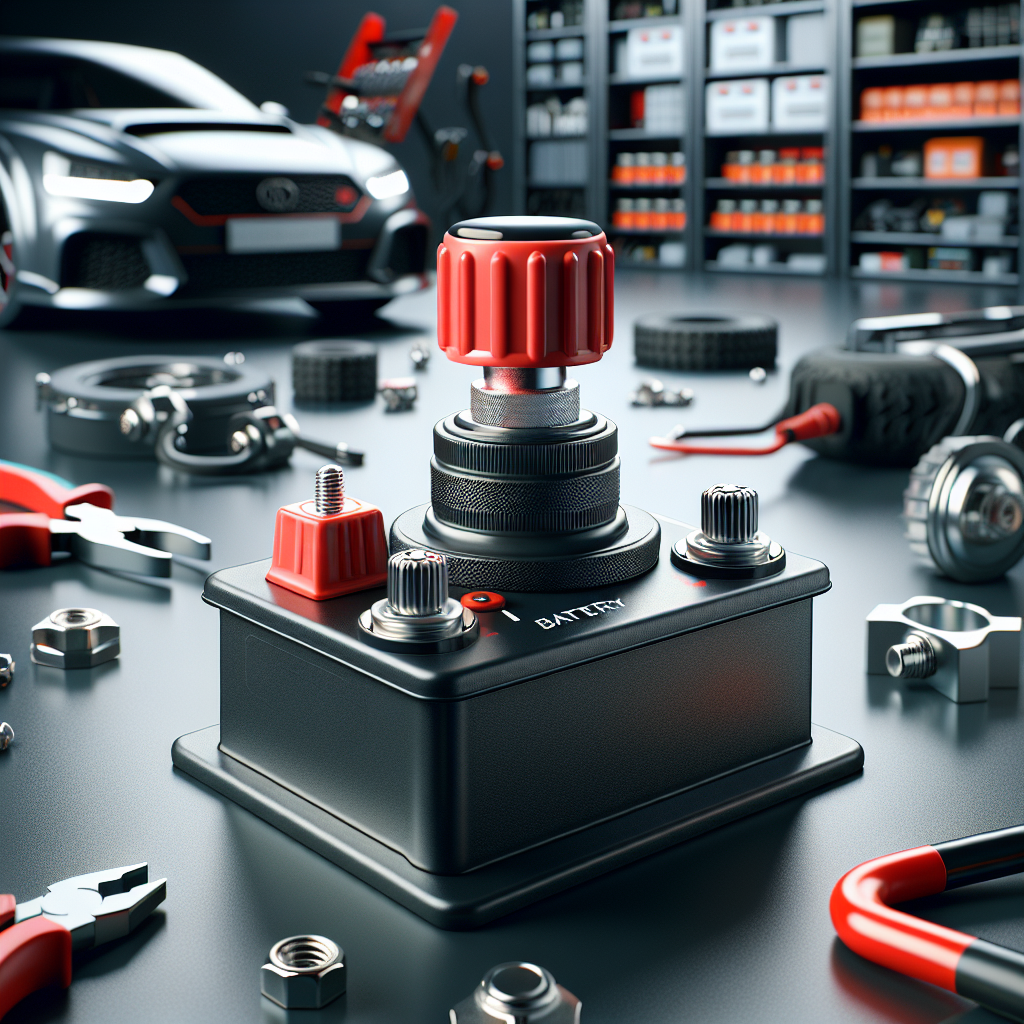
In the realm of automotive and marine applications, the importance of a Battery Disconnect Switch With Knob cannot be overstated. This essential device serves as a safeguard against electrical faults while providing convenience for users. Whether you are dealing with a car, truck, or boat, understanding the functionality and benefits of this switch is crucial for maintaining optimal battery performance and enhancing safety.
What is a Battery Disconnect Switch With Knob?
A Battery Disconnect Switch With Knob is an electrical cut-off switch designed to isolate the battery from the electrical system of a vehicle or marine craft. The knob allows for quick and easy engagement and disengagement of the battery connection, making it a user-friendly option for those who frequently need to access their batteries.
Why Use a Battery Disconnect Switch?
The primary purpose of a battery disconnect switch is to prevent battery drain when the vehicle or boat is not in use. Modern vehicles often have electronics that continue to draw power even when the ignition is off. By using a Battery Disconnect Switch With Knob, you can easily eliminate this parasitic drain, prolonging the life of your battery.
Moreover, disconnecting the battery enhances safety, particularly during maintenance or when working on the electrical system. It helps prevent accidental short circuits that could lead to electrical fires or damage to sensitive components.
Key Features of Battery Disconnect Switches
Quick Cut-Off Switch
The quick cut-off switch feature is a standout benefit of a Battery Disconnect Switch With Knob. This allows users to rapidly disconnect the battery, which can be especially crucial in emergency situations. Whether you’re dealing with a vehicle malfunction or preparing your boat for storage, having a quick-cut option adds a layer of security.
Versatility
Battery disconnect switches are versatile and can be used in various applications, including cars, trucks, and boats. For automotive use, they are often installed in vehicles with significant electronic systems, while for marine applications, they provide safety and reliability, ensuring that no power is wasted when the boat is docked.
Safety Features
Safety is paramount, and many Battery Disconnect Switches come equipped with features designed to protect users and their vehicles. These can include:
– **Waterproof Housing**: Ideal for marine applications where exposure to moisture is a concern.
– **Lockable Design**: Some models offer the ability to lock the switch in the off position, preventing unauthorized use.
– **High-Current Ratings**: Ensures the switch can handle the demands of high-performance engines without failure.
Types of Battery Disconnect Switches
When looking for a Battery Disconnect Switch With Knob, it’s essential to understand the different types available:
Car Battery Disconnect
Car battery disconnect switches are specifically designed for automotive use. They often feature compact designs that fit easily under the hood or in the trunk. These switches can handle the demands of modern vehicles equipped with numerous electronic components.
Truck Battery Switch
Trucks often have larger batteries and more demanding electrical systems. Therefore, truck battery switches are built to handle higher currents and are typically more robust. Selecting the right truck battery switch ensures reliable performance in demanding conditions, making it a crucial component for heavy-duty vehicles.
Boat Battery Disconnect
For boaters, a reliable boat battery disconnect is essential for maintaining battery health and safety. Marine battery switches are designed to withstand harsh environments, including saltwater exposure, and can prevent corrosion and damage.
Side Post Terminal Switch
A side post terminal switch is another option that may be suitable for certain vehicles. These switches connect directly to the battery terminals, offering a compact design and ease of installation.
How to Choose the Right Battery Disconnect Switch
1. Assess Your Needs
Before purchasing, consider the specific requirements of your vehicle or boat. Assess the electrical load, the frequency of use, and whether you need features like quick cut-off or waterproofing.
2. Consider Compatibility
Ensure that the switch you choose is compatible with your vehicle’s battery type. Some switches are designed for side post terminals, while others may be more suited for top post batteries.
3. Look for Quality and Certifications
Choose a Battery Disconnect Switch With Knob from reputable brands that meet safety standards. Look for certifications that indicate the switch can handle high currents and has undergone rigorous testing.
4. Installation Ease
Some switches require professional installation, while others are designed for DIY installation. Assess your comfort level with installation when selecting your switch.
Installation Tips for Battery Disconnect Switches
Installing a Battery Disconnect Switch With Knob is generally straightforward, but it’s essential to follow best practices:
1. Safety First
Always wear safety gear and ensure the vehicle is off before starting the installation process. Disconnect any power sources to avoid accidents.
2. Identify the Correct Location
Choose a location that is easily accessible and free from moisture or debris. This ensures that you can quickly disconnect the battery when needed.
3. Follow Manufacturer Instructions
Refer to the installation manual provided by the manufacturer. Each switch may have specific wiring configurations and requirements.
4. Test the Switch
Once installed, conduct a thorough test to ensure the switch works correctly. Ensure that it can effectively disconnect the battery and that all connections are secure.
Maintenance of Battery Disconnect Switches
Maintaining your Battery Disconnect Switch With Knob is crucial for its longevity and effectiveness. Here are some maintenance tips:
1. Regular Inspections
Periodically check the switch for any signs of wear or corrosion, particularly in marine applications where exposure to moisture is common.
2. Clean Connections
Ensure that the connections are clean and free from dirt or corrosion. Use contact cleaner or a brush to maintain good electrical contact.
3. Test Functionality
Regularly test the switch to ensure it operates smoothly. This helps identify any potential issues before they become major problems.
The Benefits of Using a Battery Management System
Integrating a Battery Management System (BMS) with your Battery Disconnect Switch can provide additional advantages. A BMS helps monitor battery health, charge levels, and overall performance. This can extend battery life, prevent overcharging, and ensure optimal efficiency.
Conclusion
A Battery Disconnect Switch With Knob is an essential component for anyone looking to enhance the safety and efficiency of their vehicle or marine craft. By understanding the various types available, how to choose the right switch, and proper installation and maintenance practices, users can ensure their batteries remain in optimal condition. For those in need of quality battery disconnect switches and related products, consider exploring the wide range available at Battery Swap, your go-to resource for automotive and marine battery solutions.