
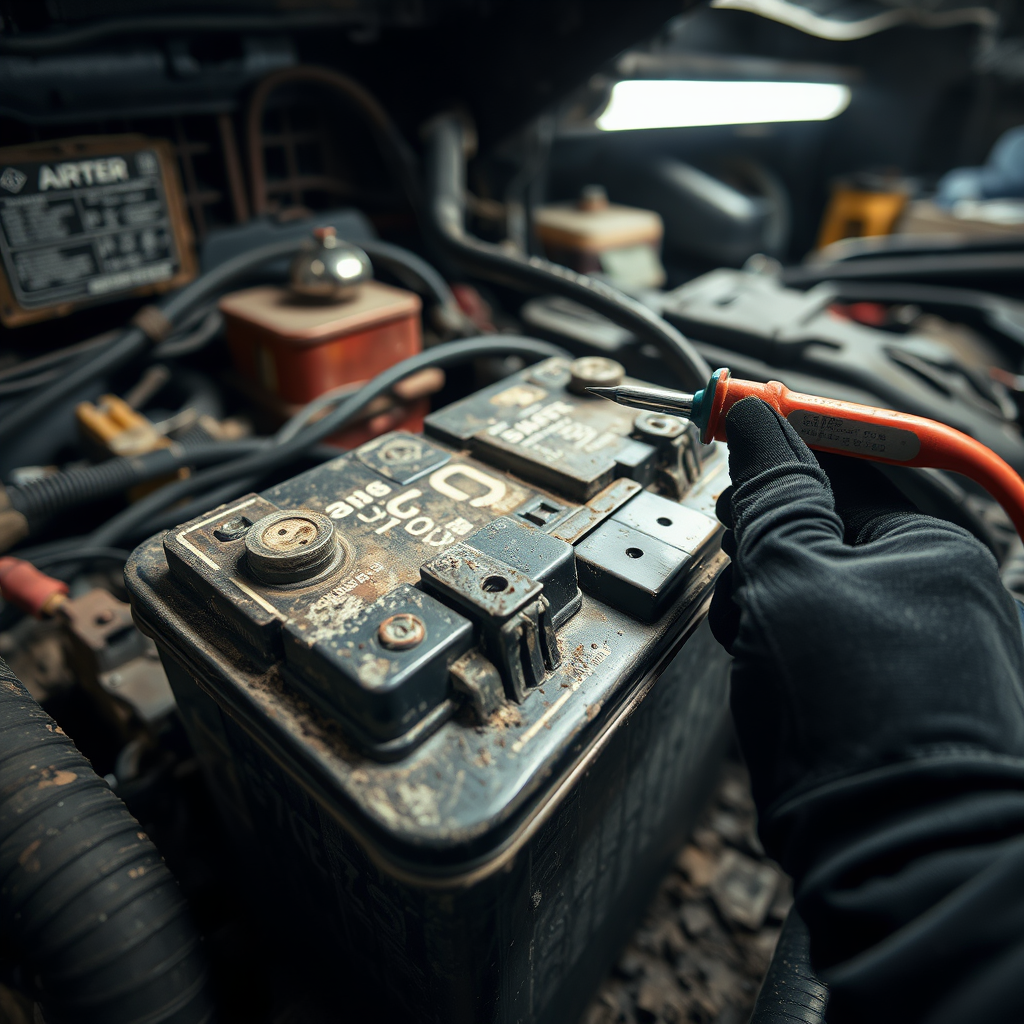
Introduction to Vehicle Battery Storage
In the realm of automotive maintenance, understanding the importance of proper battery storage cannot be overstated. Whether you’re dealing with a car battery or a truck battery, storing your battery correctly is crucial for maintaining its health and extending its life. Proper storage practices can help ensure that your vehicle is ready to go whenever you are, sparing you the frustration of unexpected battery failures.
One of the primary reasons to focus on battery storage is its direct impact on battery lifespan. A well-maintained battery, stored under optimal conditions, can last significantly longer than one subjected to neglect. This can save you the cost and inconvenience of premature replacements. When a battery is stored improperly, it can lead to sulfation, a condition where lead sulfate crystals build up on the battery’s plates, reducing its efficiency and overall lifespan. Therefore, knowing how to store your battery correctly is a key aspect of battery maintenance.
Now, let’s look at some common battery storage solutions that can help you keep your battery in top condition. One popular method is to store the battery in a cool, dry place. Excessive heat can accelerate the discharge rate, while extreme cold can cause the battery to freeze, leading to physical damage. Ideally, aim for a storage temperature between 60°F and 77°F (15°C and 25°C).
Additionally, it’s essential to ensure that the battery is stored at full charge. Use a charger or a battery maintainer to keep it charged at all times, as this prevents discharge and prolongs its life. For those who have a seasonal vehicle, removing and storing the battery separately from the vehicle during off-seasons is a smart approach. This reduces the risk of parasitic drains from onboard electronics, which can deplete the battery over time.
Lastly, consider using a battery box or case to protect the battery from dust, moisture, and accidental damage. Investing in the best battery storage solutions not only safeguards your investment but also ensures that your vehicle remains reliable. By implementing these practical tips, you can significantly enhance your vehicle’s readiness and battery longevity.
How to Store Car Batteries Safely
Storing a car battery safely is crucial in extending its lifespan and ensuring it remains in optimal condition. Whether it’s a car battery or a truck battery, following the right procedures can prevent unnecessary damage and maintain battery performance for longer. Here’s a step-by-step guide on preparing your car battery for storage:
- Step 1: Clean the Battery – Before storing, thoroughly clean the battery to remove any corrosion or dirt. Use a mixture of baking soda and water to scrub the terminals gently. This not only maintains the battery’s health but also prevents any potential damage from corrosive elements.
- Step 2: Charge the Battery – Fully charge the battery before storage. This step is essential as it helps in maintaining the battery’s charge over time and prevents it from discharging completely, which can damage the battery’s internal chemistry.
- Step 3: Disconnect the Battery – Always disconnect the battery from your vehicle to avoid any parasitic drain. For truck batteries, ensure the same process is followed to prevent unintentional energy loss.
- Step 4: Choose the Right Storage Location – Store the battery in a cool, dry place. Avoid areas with extreme temperatures (both hot and cold) as they can adversely affect the battery’s performance and lifespan.
Regarding storage containers, selecting the best battery container is vital. Look for containers specifically designed for battery storage, which often include features such as leak-proof seals and durable materials. These containers are ideal for preventing leaks and providing protection against physical impacts.
Furthermore, regular battery maintenance checks during storage can ensure the battery remains in good condition. This includes checking the voltage periodically and ensuring that the storage environment remains stable and suitable. By following these recommendations, you can significantly prolong your battery’s lifespan and ensure it’s ready to power your vehicle when needed.
For those frequently managing batteries, having a checklist can be invaluable:
| Task | Frequency |
|---|---|
| Clean the battery | Before storage |
| Charge the battery | Before storage, then every 3-4 months |
| Check voltage | Monthly |
By keeping these steps and tips in mind, you can ensure your car or truck battery remains in top shape, ready for use whenever you need it.
Truck Battery Maintenance During Storage
Ensuring your truck battery remains in peak condition during storage is essential for its longevity and performance. Implementing specific maintenance strategies can significantly extend the battery lifespan, ensuring your vehicle is ready to go when you need it. Here are some actionable tips to maintain your truck battery during storage effectively.
Regularly Check the Battery Charge Level
A crucial part of battery maintenance is regularly monitoring the charge level of your truck battery. Ideally, it should be stored fully charged and checked every month. Using a multimeter, you can easily measure the voltage. A reading below 12.4 volts indicates the battery needs recharging. Keeping it charged prevents sulfation, a condition that can reduce the best battery performance and lifespan.
Role of Battery Terminal Protection
Battery terminals are prone to corrosion, which can impede the flow of electricity and reduce the car battery efficiency. Applying a thin layer of petroleum jelly or a specialized terminal protectant can prevent corrosion and ensure a reliable connection. Additionally, ensure the terminals are tightly secured to avoid any vibration-related damage during storage.
Store in a Cool, Dry Place
Temperature fluctuations can drastically affect your truck battery. Storing it in a cool, dry environment minimizes the risk of discharge and potential damage from extreme temperatures. Ideally, the storage area should be between 32°F and 77°F. Avoid placing the battery directly on concrete floors as this can accelerate discharge rates.
Use a Battery Maintainer
Investing in a battery maintainer is a wise choice for long-term storage. Unlike a trickle charger, a maintainer automatically adjusts the charge according to the battery’s needs, preventing overcharging and ensuring optimal performance.
By following these practical steps, you can significantly enhance your truck battery’s lifespan, ensuring it remains one of the best batteries for your needs. For further questions, consider reaching out to automotive experts or consult your vehicle’s manual for additional guidance.
Long-Term Battery Storage Best Practices
Properly storing a car battery or truck battery for an extended period can significantly prolong its battery lifespan and ensure it remains in optimal condition when needed. In this section, we will explore essential tips for ensuring long-term battery storage without deterioration, and how charging before storage can prevent battery discharge.
Tips for Ensuring Long-Term Battery Storage Without Deterioration
One of the most effective ways to maintain the health of your battery during storage is by choosing the right environment. Store your car battery in a cool, dry place away from direct sunlight and temperature fluctuations. Extreme temperatures can severely impact the battery’s performance and longevity. An ideal storage location would be a well-ventilated garage or basement that maintains a consistent temperature.
Before storing, clean the battery terminals with a solution of baking soda and water to remove any corrosion. This simple battery maintenance step can prevent terminal corrosion, which is a common issue that can lead to battery failure.
Additionally, consider using a battery maintainer or trickle charger. These devices help keep the battery at an optimal charge level without overcharging. This is especially beneficial for the best battery performance in vehicles that aren’t driven frequently, such as collector cars or seasonal vehicles.
How Charging Before Storage Can Prevent Battery Discharge
One of the most crucial steps before storing a battery is ensuring it is fully charged. A fully charged battery is less likely to freeze in cold temperatures and is better equipped to withstand periods of inactivity. Before disconnecting a car battery for storage, use a voltmeter to check its charge level. Ideally, the voltage should be between 12.4 to 12.7 volts.
For long-term storage, recharge the battery every few months to prevent deep discharge. Deep discharges can significantly reduce a battery’s lifespan and its ability to hold a charge. By following these charging guidelines, you ensure that your truck battery or car battery remains reliable and ready for use when you need it.
By integrating these practical steps into your routine, you can effectively extend the lifespan of your vehicle’s battery while ensuring it remains in top condition, ready to power your vehicle whenever necessary.
Optimal Battery Storage Temperature
When it comes to preserving the longevity of your car battery or truck battery, understanding the optimal storage temperature is crucial. The ideal temperature range for storing vehicle batteries is between 50°F and 77°F (10°C and 25°C). This range ensures that the electrolyte within the battery remains stable, preventing premature degradation. Maintaining this temperature range is a cornerstone of effective battery maintenance, as it directly influences battery lifespan and performance.
Temperature fluctuations can significantly impact a car battery’s lifespan. For instance, if a battery is stored in an environment where temperatures frequently fluctuate beyond the recommended range, it can undergo thermal stress, leading to diminished capacity and potential failure. In colder conditions, the electrolyte can freeze, causing irreparable damage to the battery’s internal structure. Conversely, excessive heat can accelerate the rate of chemical reactions within the battery, leading to faster self-discharge and a reduction in overall lifespan.
For those storing a truck battery during off-road seasons or over extended periods, it’s important to find a location that is not only temperature controlled but also dry and well-ventilated. Using a battery tender or maintainer can help keep the charge level optimal without overcharging, which is another factor that can reduce the battery’s effective life.
Here are some actionable tips to ensure you’re storing your vehicle batteries properly:
- Check the Temperature: Use a thermometer to ensure your storage area remains within the optimal temperature range. This small step can make a big difference in extending your battery’s life.
- Regular Inspection: Inspect stored batteries every few weeks to check for any signs of corrosion or leakage, and clean the terminals if needed.
- Use Insulation: If your storage area is prone to temperature extremes, consider insulating the battery to minimize exposure to temperature fluctuations.
By following these guidelines and maintaining the best battery storage practices, you can significantly enhance the longevity and reliability of your vehicle batteries, ensuring they perform optimally when you need them most.
Preventing Battery Discharge During Storage
Ensuring that your car battery remains in optimal condition during periods of inactivity is crucial for its longevity and performance. Effective battery maintenance during storage can prevent the dreaded scenario of finding a dead battery when it’s time to hit the road again. Here are some actionable techniques to prevent battery discharge over extended periods.
Firstly, the importance of disconnecting terminals cannot be overstated. This simple step is one of the most effective ways to prevent power drain. By disconnecting the negative terminal of your car or truck battery, you minimize the risk of parasitic drain, which occurs when electronic devices continue to consume electricity even when the vehicle is turned off. This is particularly important for modern vehicles equipped with numerous electronic systems that can subtly drain power over time. To safely disconnect the terminals, use a wrench to loosen the nuts, starting with the negative terminal to avoid sparks. Store the disconnected cables away from the battery to prevent accidental contact.
In addition to disconnecting terminals, using a battery maintainer or trickle charger can be a game changer for extending battery lifespan. These devices provide a steady, low-level charge that keeps the battery topped up without overcharging. For those storing their vehicles for months at a time, investing in the best battery maintainer available can safeguard against discharge and ensure your car battery is ready to go when you are.
Another practical tip is to store your vehicle in a temperature-controlled environment. Extreme temperatures, both hot and cold, can significantly affect a battery’s performance and longevity. A garage or storage facility that protects the vehicle from harsh weather conditions can help maintain the truck battery in peak condition.
Lastly, regular battery inspections during storage are essential. Checking for signs of corrosion, ensuring the battery terminals are clean, and testing the battery voltage periodically can alert you to any potential issues before they become serious problems.
By adhering to these guidelines, you can effectively manage your car battery’s health during storage, ensuring it remains reliable and extends its lifespan significantly.
Battery Corrosion Prevention Strategies
Corrosion is a common enemy of both car battery and truck battery storage, often leading to diminished battery lifespan and compromised performance. Implementing effective methods to prevent corrosion in stored batteries is crucial for maintaining their longevity and reliability. One of the most practical strategies is ensuring that the battery terminals remain clean and dry. A simple solution of baking soda and water can be applied to gently scrub away any existing corrosion, which often presents as a white or bluish powder on the terminals. After cleaning, applying a thin layer of petroleum jelly can provide an additional protective barrier against moisture and corrosion.
Another effective approach is the use of anti-corrosion sprays specifically designed for battery maintenance. These sprays can be applied directly to the terminals and cable ends to prevent corrosive buildup. Additionally, consider using terminal protectors, which are small pads infused with anti-corrosion compounds that fit snugly over the battery terminals, offering long-term protection.
The role of seasonal battery care in preventing corrosion cannot be overstated, especially in areas with extreme weather conditions. During colder months, ensure that the battery is fully charged before storage, as a discharged battery is more susceptible to freezing and subsequent corrosion. Investing in the best battery maintenance equipment, such as a quality battery maintainer or trickle charger, can keep the battery at an optimal charge level, reducing the risk of corrosion caused by sulfation.
In warmer climates, heat can accelerate the chemical reactions that lead to corrosion. Storing the battery in a cool, dry place and periodically checking for signs of corrosion are essential steps. Additionally, venting any excess gases produced during the charging process by ensuring that the battery caps are not overly tightened can prevent pressure buildup that often leads to leaks and corrosion.
By incorporating these actionable tips into your battery storage routine, you can effectively extend the lifespan of your car and truck batteries, ensuring they remain in the best possible condition until needed again. Engaging in regular battery maintenance not only prevents corrosion but also ensures your vehicle’s power source is always ready to perform at its peak.
Conclusion and Final Tips
Proper storage of your car battery can significantly extend its lifespan and ensure optimal performance. One of the key tips is to keep your battery in a cool, dry place. Extreme temperatures can drastically affect a battery’s performance, and storing it in a controlled environment helps avoid unnecessary stress on the battery. Additionally, disconnecting the battery when not in use for extended periods, especially for seasonal vehicles, is crucial. This simple step prevents unnecessary power drainage, ensuring that your car battery remains charged and ready for action when you need it.
Another vital tip is to regularly check the battery’s charge level. Even in storage, batteries can lose charge over time. Investing in a trickle charger or battery maintainer can keep your battery at an optimal charge level without the risk of overcharging. This practice is not just beneficial for a car battery but also vital for a truck battery, which often requires more power and attention due to its size and usage demands.
Finally, always ensure that the battery terminals are clean and free from corrosion before storage. Corrosion can impede the battery’s ability to charge properly and can lead to diminished performance. Applying a light coat of petroleum jelly to the terminals after cleaning can help prevent corrosion, making this a best battery maintenance practice.
In conclusion, maintaining battery health through proper storage is an essential part of enhancing battery lifespan. Whether dealing with a car battery or a truck battery, these practices ensure that your battery remains in top condition, ready to deliver its best performance when required. By following these tips, you can ensure that your vehicle’s battery is always in prime condition, ready to withstand the demands of any journey.
For further tips and to ensure you’re using the best battery practices, consider consulting a professional for personalized advice tailored to your specific vehicle and usage patterns.