
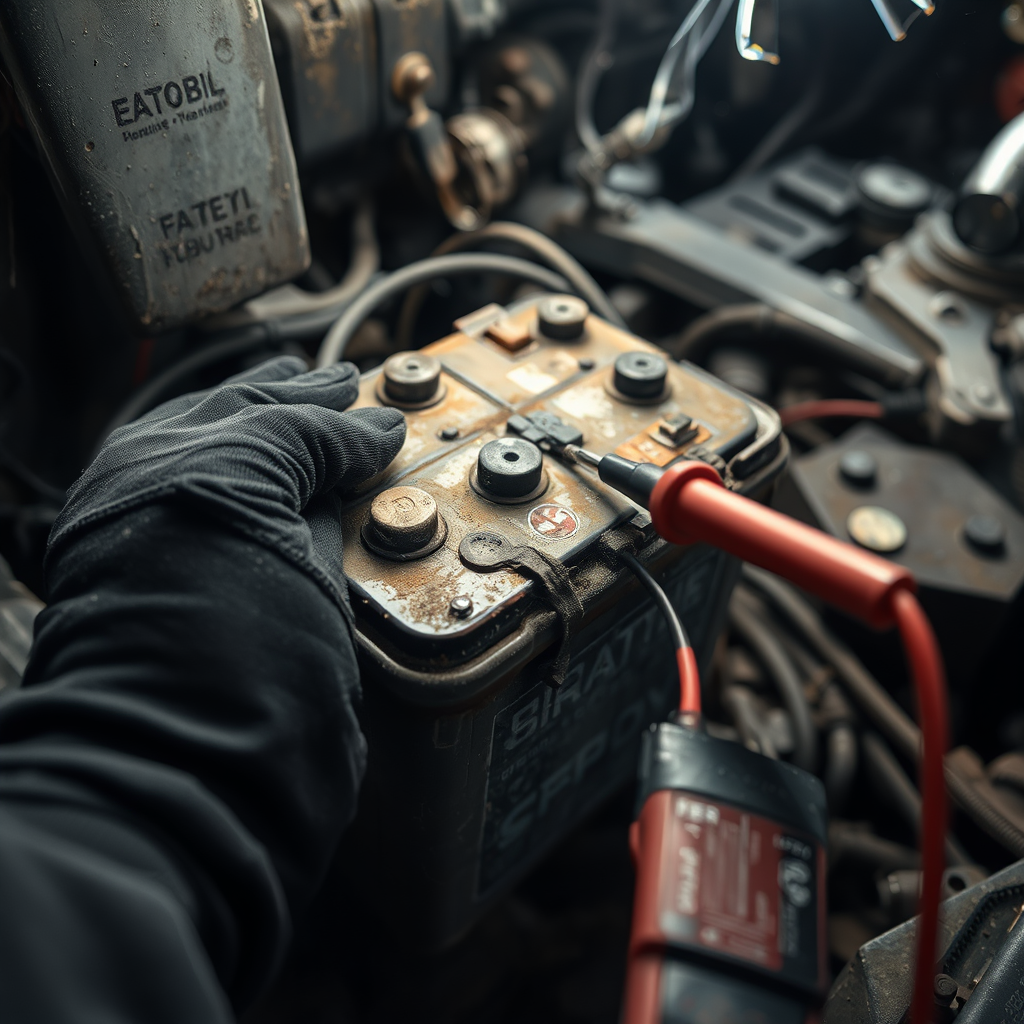
Introduction to Innovative EV Battery Technology
In the rapidly evolving landscape of electric vehicles (EVs), the significance of advanced EV battery technology cannot be overstated. As the backbone of any electric vehicle, the car battery plays a pivotal role in determining the performance, efficiency, and sustainability of modern transportation solutions. With the global shift towards greener alternatives, understanding the nuances of these technologies is crucial for automotive enthusiasts and industry professionals alike.
One of the primary reasons EV battery technology is so important is its direct impact on the vehicle’s range and overall performance. Unlike traditional truck batteries, which primarily serve to start the engine and power accessories, EV batteries are the main power source for the vehicle. This shift necessitates advancements in battery technology to ensure longer battery lifespan and improved battery maintenance protocols, allowing EVs to travel greater distances on a single charge.
Current trends in electric vehicle battery advancements are reshaping the automotive industry. Innovations such as solid-state batteries, which promise higher energy density and faster charging times, are at the forefront. These next-generation car batteries are being developed to overcome the limitations of conventional lithium-ion batteries, offering a more sustainable and efficient alternative. Moreover, manufacturers are exploring the potential of using alternative materials like silicon and graphene, which could lead to the best battery options for future EV models.
In practical terms, these advancements mean consumers can expect more reliable performance from their vehicles and less frequent battery replacements. For those maintaining their EVs, staying informed about the latest battery maintenance practices is vital. Regularly checking battery health and optimizing charging habits are simple yet effective ways to extend a battery’s lifespan, ensuring that your vehicle remains efficient and eco-friendly.
As we continue to witness these technological breakthroughs, the future of EV battery technology looks promising. The automotive industry is poised for a transformation that will not only enhance vehicle performance but also contribute to global sustainability efforts. For those interested in staying ahead, keeping an eye on these trends and integrating them into your automotive practices will be essential.
Advancements in Car Battery Technology
The automotive industry is witnessing a significant evolution in car battery technology, with lithium-ion batteries at the forefront of these advancements. Over recent years, there have been substantial improvements in the efficiency, lifespan, and safety of lithium-ion batteries, making them a popular choice not only for cars but also for trucks, where the best battery solutions are essential. Manufacturers are focusing on increasing energy density, which allows for longer driving ranges and improved overall vehicle performance. For instance, Tesla’s advancements have seen their vehicles achieve ranges previously unheard of, thanks to enhanced lithium-ion technology.
Moreover, the ongoing research and development in solid-state batteries signal an exciting future for car battery innovation. Solid-state batteries promise to revolutionize the industry with their ability to offer higher energy densities and faster charging times compared to traditional lithium-ion batteries. Such innovations are particularly appealing for electric trucks, where longer ranges and reduced charging times are crucial. The solid-state battery’s design eliminates the liquid electrolyte, which not only increases safety by reducing flammability risks but also contributes to a longer battery lifespan. This makes them a promising contender for the title of the best battery solution in both automotive and truck applications.
For vehicle owners, maintaining these advanced batteries is crucial to maximizing their longevity and performance. Regular battery maintenance, such as checking for corrosion and ensuring proper charging practices, can significantly extend the battery’s lifespan. It is also advisable to follow manufacturer guidelines and consider professional inspections to prevent unexpected failures.
As these technologies continue to develop, staying informed about the latest advancements can help consumers make better purchasing decisions. Whether you’re considering a new car or truck battery, understanding these innovations will ensure you choose the best battery that meets your needs. For those interested in delving deeper into battery maintenance and selecting the right battery type, a thorough checklist or consultation with an expert can provide invaluable insights.
Enhancing EV Battery Safety
In the evolving landscape of automotive battery innovation, ensuring the safety of electric vehicle (EV) batteries has become paramount. As the heart of any electric car, the **car battery** is not only crucial for performance but also for the overall safety of the vehicle. With the rise in popularity of EVs, manufacturers are investing heavily in enhancing battery safety protocols to prevent any potential hazards.
Importance of EV Battery Safety in Automotive Battery Innovation
The importance of EV battery safety cannot be overstated in today’s automotive industry. With the increasing demand for electric vehicles, the focus has shifted towards creating the **best battery** that not only lasts longer but also operates safely under various conditions. This shift is essential as the complexity of battery technology increases, making it critical to understand the intricacies involved in **battery maintenance** and **battery lifespan**.
One practical example of the importance of battery safety is the implementation of advanced cooling systems. These systems play a significant role in preventing overheating, which can lead to fires or explosions. Companies developing EVs are also exploring solid-state batteries, known for their stability and reduced risk of catching fire compared to traditional lithium-ion batteries.
Role of Battery Management Systems in Preventing Vehicle Recalls
A key player in enhancing the safety of EV batteries is the Battery Management System (BMS). This technology acts as the brain of the **car battery**, monitoring the state of the battery and ensuring it operates within safe limits. A robust BMS can prevent overcharging, over-discharging, and thermal runaway, which are common causes of battery failures and subsequent vehicle recalls.
For instance, the integration of real-time data analytics within the BMS allows manufacturers to detect anomalies early, thus preventing potential safety issues from escalating. This proactive approach not only enhances safety but also improves the **battery lifespan**, ensuring that both **car batteries** and **truck batteries** meet the rigorous demands of modern vehicles.
Actionable Tips for Enhancing Battery Safety
– **Regular Inspections:** Conduct regular checks to ensure the battery and its systems are functioning correctly.
– **Cooling Systems:** Ensure your EV has an efficient cooling system to manage battery temperatures.
– **Software Updates:** Keep your battery management system updated to leverage the latest safety features.
By focusing on these areas, automotive manufacturers can significantly reduce the likelihood of recalls, ensuring that consumers have access to safe and reliable electric vehicles.
Strategies for Battery Lifespan Extension
Maximizing the lifespan of your car battery is essential for ensuring reliable vehicle performance while also reducing replacement costs. By implementing effective strategies for battery lifespan extension, you can enhance both the longevity and efficiency of your automotive or truck battery.
Techniques for Improving Battery Lifespan Extension
One of the most effective ways to improve battery lifespan is through regular maintenance and proper usage practices. For instance, routinely checking the battery terminals for corrosion and ensuring they are clean can prevent power drainage. Corrosion can be removed using a mixture of baking soda and water, followed by a thorough rinse and drying.
Additionally, maintaining proper charge levels in your car battery is crucial. Avoid letting the battery discharge completely, as deep discharges can significantly reduce lifespan. It is advisable to use a smart charger that automatically adjusts the charge level to prevent overcharging and undercharging, thus promoting optimal battery performance.
For those using a truck battery, it is essential to consider the vehicle’s power demands and ensure that the battery capacity aligns with these requirements. Using the best battery suited to your truck’s specific needs helps prevent unnecessary strain and extends the battery’s lifespan.
Impact of Thermal Management in EVs on Battery Performance
Thermal management plays a crucial role in improving battery lifespan, especially in electric vehicles (EVs). Batteries are sensitive to temperature fluctuations, and excessive heat can accelerate the degradation process. Implementing efficient thermal management systems can mitigate this risk. For example, using liquid cooling systems in EVs helps maintain optimal operating temperatures, ensuring the battery remains within a safe thermal range.
Moreover, parking your vehicle in shaded areas or garages during hot weather can prevent overheating. For colder climates, investing in battery warmers can maintain the ideal temperature range, supporting the longevity of your car battery.
In conclusion, adopting these strategies not only enhances battery lifespan but also boosts overall vehicle performance. Whether you are dealing with a car or a truck battery, understanding and implementing these techniques can help you get the best out of your investment while ensuring reliability on the road.
Boosting Charging Efficiency
As the automotive industry continues to innovate, one of the main focuses is on enhancing the charging efficiency of electric vehicles (EVs). This evolution is vital for the future of transportation, particularly for those considering switching from traditional vehicles to EVs. Modern car battery technology is at the forefront of these innovations, offering faster charging times and improved energy density.
One of the major innovations aimed at increasing charging efficiency in EVs is the development of advanced lithium-ion batteries. These batteries are engineered with higher energy density, meaning they can store more energy in the same amount of space. This advancement allows for faster charging times, which is crucial for drivers who need to recharge quickly during long trips. For example, some of the latest EV models can achieve up to 80% charge in as little as 30 minutes, thanks to these high-density batteries. This is a significant improvement over older models, which required hours to reach a similar charge level.
Energy density plays a critical role in how quickly a battery can be charged. Higher energy density not only contributes to faster charging but also extends the overall battery lifespan. This is because a more efficient car battery undergoes fewer charge cycles, reducing wear and tear over time. Additionally, maintaining optimal battery performance through regular battery maintenance can further enhance efficiency and longevity. This involves ensuring proper charging practices, such as not overcharging and avoiding frequent deep discharges.
For truck owners, the development of high-density batteries means better performance and reduced downtime. A truck battery with superior energy density can handle the demands of long hauls and heavy loads without frequent stops for recharging. Choosing the best battery involves considering these efficiency improvements along with other factors like cost and compatibility with the vehicle.
In summary, the shift towards higher energy density in car and truck batteries is a game-changer for the automotive industry. By adopting these innovative technologies and maintaining good battery maintenance habits, vehicle owners can enjoy faster charging times and a longer battery lifespan, making their driving experience more convenient and efficient.
Sustainable Solutions through Battery Recycling
Car battery recycling is pivotal in promoting sustainable automotive practices. As the demand for electric vehicles increases, so does the need for efficient battery recycling to minimize environmental impact. The recycling of car batteries not only helps reduce waste but also recovers valuable materials, such as lead, plastic, and acid. These materials can be reused in manufacturing new batteries, thus conserving resources and reducing the carbon footprint associated with producing new raw materials.
Current recycling processes involve dismantling car batteries to separate different components for reuse. For instance, lead-acid car batteries, commonly used in both cars and truck batteries, have a high recycling rate, with up to 99% of their components being recyclable. This involves a thorough process where the battery is broken down, and the lead is melted and purified for use in new batteries. The plastic casing is also recycled, and the sulfuric acid is neutralized and converted into sodium sulfate for various industrial applications.
Looking forward, future directions in battery recycling emphasize innovation and efficiency. Emerging technologies aim to improve the recycling process, making it more cost-effective and environmentally friendly. Advanced recycling methods are being developed to handle newer types of batteries, such as lithium-ion, which are increasingly used in modern vehicles due to their longer battery lifespan and better performance. These methods focus on extracting valuable metals like lithium, cobalt, and nickel, which are crucial for manufacturing the best batteries.
For car owners, proper battery maintenance can extend the battery lifespan, delaying the need for recycling. Regularly checking your battery’s charge level, cleaning the terminals, and ensuring it is securely mounted can prevent premature failure. When replacement becomes inevitable, choosing a reputable recycling program ensures that your old battery contributes to sustainable practices.
To buy the best batteries, visit our store.
Conclusion
In recent years, the realm of automotive battery technology has witnessed remarkable innovations poised to redefine the future of transportation. A pivotal advancement has been the development of lithium-ion car batteries, which offer superior energy density and longer battery lifespan compared to traditional lead-acid batteries. This leap in technology has paved the way for electric vehicles (EVs) to become more mainstream, addressing range anxiety and offering longer driving distances on a single charge. For truck battery options, similar advancements are being made to ensure these heavy-duty vehicles can operate efficiently without frequent recharges.
The future outlook for EV battery technology is promising, with research focusing on solid-state batteries. These batteries promise to eliminate the flammability issue associated with liquid electrolytes while offering even higher energy densities. This can result in EVs with faster charging times and extended ranges, making them more appealing to a broader audience. Additionally, recycling and sustainable production practices are becoming integral, ensuring that the best battery solutions are environmentally friendly and reduce the carbon footprint associated with battery production and disposal.
As the automotive industry embraces these innovations, the implications are profound. Car manufacturers are investing heavily in EV technology, heralding a shift from internal combustion engines to electric drivetrains. This shift necessitates a keen focus on battery maintenance strategies to ensure optimal performance and longevity. For consumers, this means understanding the importance of regular maintenance checks, such as monitoring charge cycles and ensuring proper storage conditions to maximize battery lifespan.
To stay ahead in this rapidly evolving field, automotive enthusiasts and professionals should stay informed about the latest developments in car and truck battery technologies. Investing in the best battery options available, considering both performance and sustainability, will ensure a competitive edge in the automotive market.
In conclusion, the innovations in battery technology not only promise a more sustainable future for transportation but also present exciting opportunities for growth and development within the automotive industry. Embracing these changes with informed decisions and proactive maintenance will be key to fully realizing their potential.