
Introduction to Electric Vehicle Battery Lifespan
Understanding the lifespan of an electric vehicle (EV) battery is crucial for both current and prospective EV owners. The car battery is the heart of any electric vehicle, influencing both its range and overall performance. Just like a truck battery in a heavy-duty vehicle, the EV battery determines how far you can travel on a single charge and how efficiently your car operates. As the world shifts towards sustainable transportation, knowing how long your battery will last is essential for making informed purchasing decisions and planning for future replacements.
Several factors affect the longevity of a car battery, particularly in electric vehicles. One key factor is the number of charge cycles the battery undergoes. Each time you charge and discharge the battery, it completes a cycle, and these cumulative cycles directly impact the battery lifespan. Environmental conditions also play a significant role; exposure to extreme temperatures can degrade battery health over time. For instance, consistently driving in very hot or cold climates without proper battery maintenance can reduce the lifespan of the best battery.
To extend the life of your EV battery, it is essential to adopt effective battery maintenance practices. One actionable tip is to avoid frequent fast charging, as this can generate excessive heat and stress the battery. Instead, opt for slower charging methods whenever possible. Additionally, maintaining an optimal state of charge—keeping the battery between 20% and 80%—can help maximize its lifespan. This approach is similar to how you might care for a truck battery, ensuring it remains in good condition for as long as possible.
In summary, understanding the factors that influence battery lifespan and implementing proactive maintenance strategies can significantly impact the performance and longevity of your EV’s car battery. By doing so, you not only enhance the driving experience but also contribute to a more sustainable and cost-effective use of your vehicle.
What Determines Electric Vehicle Battery Duration?
Electric vehicles (EVs) are reshaping the automotive landscape, and understanding the factors influencing their battery duration is critical for maximizing performance and longevity. Much like the consideration given to a car battery or a truck battery, the lifespan of an EV’s battery is a key determinant of its efficiency and reliability.
Charging Cycles: One of the paramount factors affecting battery duration is the number of charging cycles it undergoes. A charging cycle is defined by a full discharge followed by a full charge. Over time, the capacity of lithium-ion batteries, commonly used in EVs, diminishes with each cycle. This natural degradation can be mitigated by avoiding complete discharges and maintaining a charge between 20% and 80%, a practice that extends the battery lifespan. For those seeking the best battery performance, adhering to a structured charging routine is essential.
Driving Habits: The way an electric vehicle is driven also influences battery duration significantly. Aggressive driving, characterized by rapid acceleration and hard braking, can increase energy consumption, reducing battery efficiency. Drivers looking to optimize their EV’s battery maintenance should adopt smoother driving techniques, which can also enhance overall vehicle range.
Climate: Environmental factors, particularly temperature, play a crucial role in determining battery life. Extreme temperatures, both hot and cold, can adversely affect the battery’s chemical processes, reducing its efficiency and lifespan. To combat this, parking in shaded or temperature-controlled environments can preserve battery health. Additionally, pre-conditioning the vehicle while it’s still plugged in can help maintain optimal battery temperature.
The integration of lithium-ion batteries in EVs underscores the importance of understanding these factors. They not only affect how long your vehicle can travel on a single charge but also how long the battery will last before needing replacement. By implementing these practical tips and maintaining awareness of these key factors, EV owners can ensure they are getting the most out of their car battery or truck battery in an electric context.
Understanding Battery Degradation in EVs
Battery degradation is an inevitable process that affects every electric vehicle (EV) over time. It refers to the gradual loss of capacity and performance of a car battery, which can significantly impact the range and efficiency of your vehicle. Unlike a truck battery that primarily supports starting power, an EV battery is pivotal for overall vehicle operation, making its maintenance crucial.
What is battery degradation and how it affects electric vehicle battery performance? Simply put, battery degradation occurs as the battery’s ability to hold a charge diminishes. This degradation affects not just the range but also the power and acceleration capabilities of the EV. For instance, an EV that initially offered a range of 250 miles may see a reduction to 200 miles over several years of use. Just as with any other best battery in the market, the performance of a car battery in an EV is optimal when new, but it naturally declines as the battery ages and as it’s subjected to various charging cycles.
Factors contributing to battery degradation over time include several environmental and usage-related elements. Temperature plays a significant role; exposure to extreme heat can hasten degradation. Additionally, frequent fast charging, although convenient, can accelerate the wear and tear of battery cells. Driving habits also matter—aggressive acceleration and frequent deep discharges can reduce battery lifespan.
To mitigate these effects, regular battery maintenance is essential. This includes keeping the battery charged between 20% and 80%, minimizing the use of fast chargers, and parking your EV in shaded or cooler areas whenever possible to avoid thermal stress. By following these practices, you can extend the life of your car battery and maintain optimal performance.
For those seeking the best battery performance in their EV, understanding these factors and implementing proactive measures is key. By staying informed and adopting good battery management habits, you can ensure your EV remains efficient and reliable for years to come.
Maximizing EV Battery Longevity
Ensuring the longevity of your electric vehicle’s (EV) car battery is crucial for maintaining optimal performance and cost-effectiveness. Here are some actionable tips for effective EV battery maintenance that can help you extend the lifespan of your battery.
Tips for Effective EV Battery Maintenance: To maximize the lifespan of your car battery, it’s essential to adopt regular battery maintenance practices. Keeping your EV’s battery charged between 20% and 80% can prevent overcharging or deep discharging, which can degrade battery health. Additionally, avoid exposing your vehicle to extreme temperatures as it can accelerate the battery’s aging process. Consider parking in shaded areas or using battery thermal management systems to maintain optimal operating temperatures. Regular software updates from manufacturers can also enhance battery management systems, providing longer battery life and improved performance.
The Impact of Sustainable Battery Solutions and Eco-Friendly Practices: As the demand for electric vehicles grows, the shift towards sustainable battery solutions becomes increasingly significant. Opting for eco-friendly practices not only benefits the environment but also enhances the performance of your EV’s car battery. For instance, recycling programs for old batteries ensure that valuable materials are recovered and reused, reducing the environmental impact. Furthermore, using renewable energy sources for charging, such as solar or wind power, can contribute to a more sustainable energy cycle. Embracing such practices not only helps in conserving resources but also establishes a more sustainable ownership experience.
Integrating these battery maintenance practices and sustainable solutions can significantly extend the life of both car and truck battery systems, ensuring you always have the best battery performance. By taking these steps, you can enjoy a longer battery lifespan, reduce the frequency of replacements, and contribute to a more sustainable future.
EV Battery Replacement: When and Why?
As electric vehicles (EVs) become more prevalent, understanding when and why to replace an EV battery is crucial for maintaining optimal performance. Just like a conventional car battery or truck battery, an EV battery is susceptible to wear and tear, necessitating timely replacement to avoid inconvenient breakdowns.
One of the first signs that your EV might need a battery replacement is noticeable range reduction. If you find that your vehicle no longer travels as far on a full charge as it once did, this could indicate that the battery’s capacity is diminishing. This is akin to how the best battery in traditional vehicles starts to lose its ability to hold charge over time, affecting the overall battery lifespan.
Another tell-tale sign is the increased frequency of charging sessions. If you find yourself needing to charge your EV more often than usual, it could be a red flag for battery degradation. This symptom is similar to when a truck battery becomes unreliable, requiring more frequent jumps or replacements.
When considering an EV battery replacement, cost and battery warranty implications are significant factors. EV batteries are a major component, and their replacement can be a substantial investment. It’s essential to check whether your battery is still under warranty, which can significantly offset replacement costs. Most manufacturers offer a warranty that covers a specific period or mileage, protecting against premature failures and ensuring peace of mind.
Battery maintenance plays a crucial role in extending battery lifespan and deferring replacement needs. Regularly scheduled maintenance checks, keeping the battery at optimal temperatures, and avoiding frequent fast charging can prolong the life of your EV battery.
Actionable Tip: Create a battery maintenance checklist to monitor your battery’s health. Include items like checking for software updates, monitoring charging habits, and consulting with your vehicle’s manufacturer for specific battery care guidelines.
For more information, consider FAQs like “How long does an EV battery last?” and “What are the best practices for battery maintenance?” These can provide valuable insights into maintaining your EV’s performance and longevity.
Advancements in Battery Technology
In recent years, the automotive industry has seen remarkable advancements in battery technology, particularly concerning electric car batteries. One of the most significant innovations is the improvement in battery duration, which directly affects the car battery lifespan. These advancements stem from the development of high-energy-density materials and enhanced battery management systems. For instance, the introduction of solid-state batteries promises not only to increase the range of electric vehicles but also to enhance safety and reduce charging times, addressing some of the biggest concerns for electric car owners.
Moreover, the industry is seeing a shift towards sustainable battery solutions. Future trends indicate a rise in the use of recyclable materials and eco-friendly manufacturing processes. Companies are investing in technologies that allow for the reusability of car battery components, minimizing environmental impact. This is crucial not only for electric cars but also for applications in truck batteries, where the demand for long-lasting, sustainable energy sources is growing. As manufacturers aim to offer the best battery options, they are also focusing on reducing the carbon footprint of battery production.
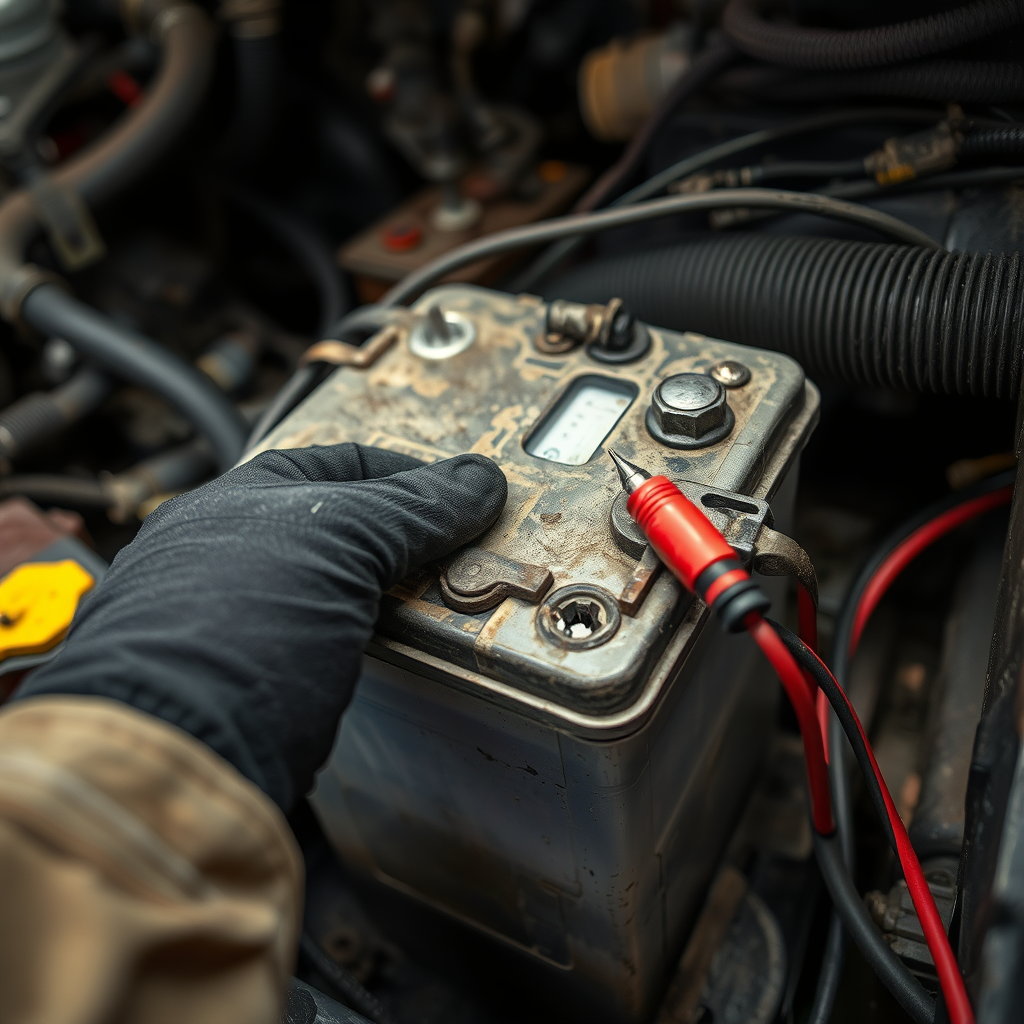
For those keen on maintaining the longevity of their car batteries, regular battery maintenance is key. Ensuring that the battery is kept clean, terminals are corrosion-free, and it is charged properly can significantly enhance its lifespan. These practices are equally important for truck battery owners who rely on consistent power output for heavy-duty operations.
If you’re looking to keep up with the latest advancements, consider these actionable tips: regularly check your battery’s health using a voltmeter, avoid extreme temperatures, and invest in a trickle charger to maintain optimal charge levels. Implementing these can ensure you have the best battery performance regardless of the vehicle type.
To buy the best batteries, visit our store.
The Impact of Battery Life on EV Range
The life expectancy of a car battery plays a pivotal role in determining the range of electric vehicles (EVs). As the heart of an EV, the battery’s ability to hold and deliver energy efficiently directly influences how far the vehicle can travel on a single charge. Over time, all batteries, including those in electric cars, experience a degradation in capacity, which can reduce the distance an EV can cover. This is similar to how a truck battery, when not properly maintained, might fail to deliver the best performance. Understanding how battery life expectancy influences EV range is crucial for any EV owner.
A car battery with a longer lifespan ensures a more consistent range. As batteries age, the chemical processes within them become less efficient, leading to a decrease in the amount of energy they can store and release. This phenomenon, known as battery degradation, is influenced by several factors, including charging habits, temperature exposure, and usage patterns. For instance, frequent fast charging or exposing the vehicle to extreme temperatures can accelerate degradation, thus reducing the vehicle’s range over time.
Optimizing the range of your EV through proper battery care is not only about extending the battery lifespan but also about ensuring that the car delivers the best performance throughout its life. Here are some strategies to consider:
- Regular Charging Habits: Avoid letting the battery drop below 20% and avoid charging it to 100% regularly to reduce stress on the battery cells.
- Temperature Management: Park in shaded areas during hot weather and use battery pre-conditioning features during cold weather to maintain optimal battery health.
- Scheduled Maintenance: Include battery maintenance checks as part of your regular vehicle service to identify and address potential issues early.
By following these strategies, you not only enhance the car battery’s lifespan but also ensure that you are getting the best battery performance possible. Remember, a well-maintained battery not only supports longer EV range but also contributes to the overall efficiency and reliability of the vehicle.