
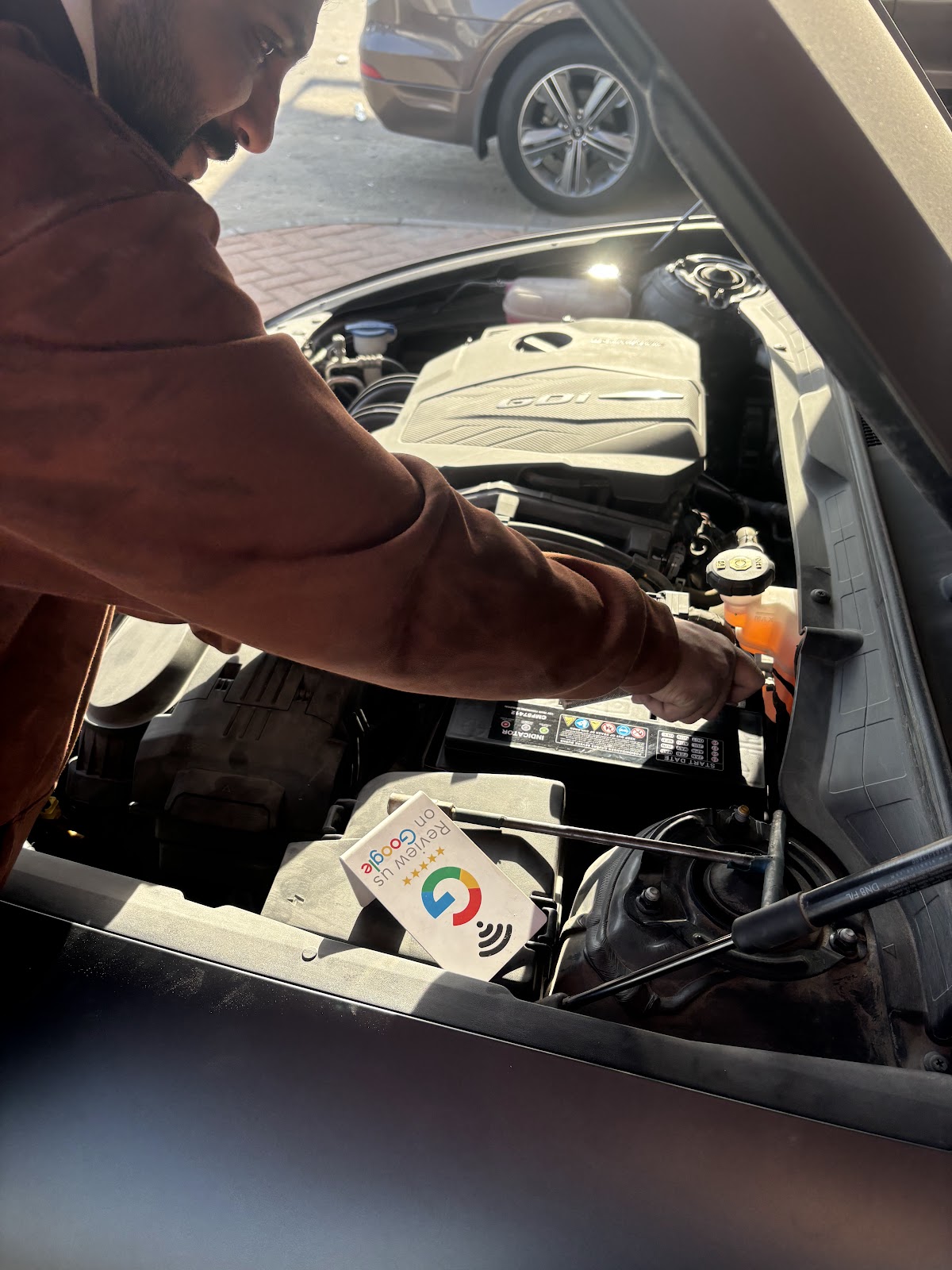
Many drivers in the Eastern Province face the problem of continuous battery drainage, but the real issue may not be the battery itself. Alternator testing in Dammam has become essential to solve this problem, as a faulty alternator could be the main reason behind repeated battery failure. In this article, we’ll show you practical ways to distinguish between alternator and battery problems.
Early Signs of Alternator Failure
There are several signs that indicate the alternator is the problem, not the battery. The first of these signs is repeated battery failure even after replacing it with a new one from trusted brands like Varta or Bosch. If the new battery drains within a day or two of normal use, this is a strong indicator of a problem in the charging system.
The second sign is the appearance of the battery warning light on the dashboard while driving. This light doesn’t always indicate a problem with the battery itself, but may be a signal of alternator failure. Also, dim interior and exterior lighting while the engine is running indicates that the alternator is not performing its function of producing sufficient electricity.
Simple Alternator Tests
Voltage Testing with Multimeter
The most accurate way to determine the alternator’s condition is to measure voltage using a multimeter. With the engine off, the battery reading should be around 12.6 volts. When starting the engine, the reading should rise to 13.5-14.5 volts. If the reading doesn’t rise above 12.6 volts with the engine running, this means the alternator is not charging the battery.
Sound and Vibration Testing
A faulty alternator produces abnormal sounds like squealing or grinding, especially when increasing engine RPM. These sounds may indicate damage to internal bearings or wear in carbon brushes. In Dammam and Khobar areas, where humidity and heat affect mechanical parts, it’s important to notice these signs early.
Difference Between Dead Battery and Dead Alternator Symptoms
When the battery is the problem, symptoms clearly appear when starting the car. Difficulty starting the engine, weak starter sound, or complete inability to start are signs of a weak battery. Batteries like AC Delco or Hankook usually give clear warnings before complete failure.
Alternator problems appear while driving, not when starting. If the car works normally at the beginning of the day but the battery gradually drains during use, the problem is likely in the charging system, not the battery. This is very common in Dhahran and Sihat areas where intensive use of air conditioning systems puts additional pressure on the alternator.
When You Need Professional Testing
If simple test results are unclear, or if the problem persists even after replacing the battery with a new one from trusted brands like Solite or Optima, you need professional testing. Specialized testing includes output current testing, voltage regulator inspection, and internal diode testing of the alternator.
In Dammam city, it’s important to conduct regular Dammam alternator testing, especially for cars exposed to harsh driving conditions. Specialized workshops can determine whether the alternator needs repair or replacement, and whether the problem is in the alternator itself or in the associated wires and connections.
Prevention Is Better Than Cure
To maintain longer life for both alternator and battery, it’s recommended to check the charging system every six months. Cleaning battery terminals from corrosion, ensuring tight battery cable connections, and checking the alternator belt for cracks or excessive stretching are all important preventive measures. Using high-quality batteries like Exide also helps reduce pressure on the alternator.
Frequently Asked Questions
What is the normal alternator lifespan in Saudi climate?
The normal alternator lifespan ranges between 4-7 years in Saudi climate, depending on usage type and car maintenance. High summer temperatures and humidity in coastal areas like Dammam may reduce alternator life, so regular inspection is important.
Can the alternator be repaired or must it be completely replaced?
It depends on the type and extent of damage. Simple problems like carbon brush wear or bearing wear can be repaired, while damage to internal windings or voltage regulator may require complete alternator replacement. Specialized testing determines the most economical option.
What happens if you drive with a faulty alternator?
Driving with a faulty alternator means relying completely on the battery to power all electrical systems. This leads to rapid battery drain and car breakdown, and may cause permanent battery damage due to repeated deep discharge. Therefore, it’s recommended not to drive and immediately go to a specialized workshop.
📚 Read Also
Conclusion
Distinguishing between battery and alternator problems is essential to avoid unjustified expenses and sudden breakdowns. The simple tests we mentioned help you with initial diagnosis, but professional testing remains the optimal solution to confirm the diagnosis. For professional battery testing and replacement services in the Eastern Province, you can contact Battery Swap for specialized consultation and practical solutions for electrical system problems in your car.