
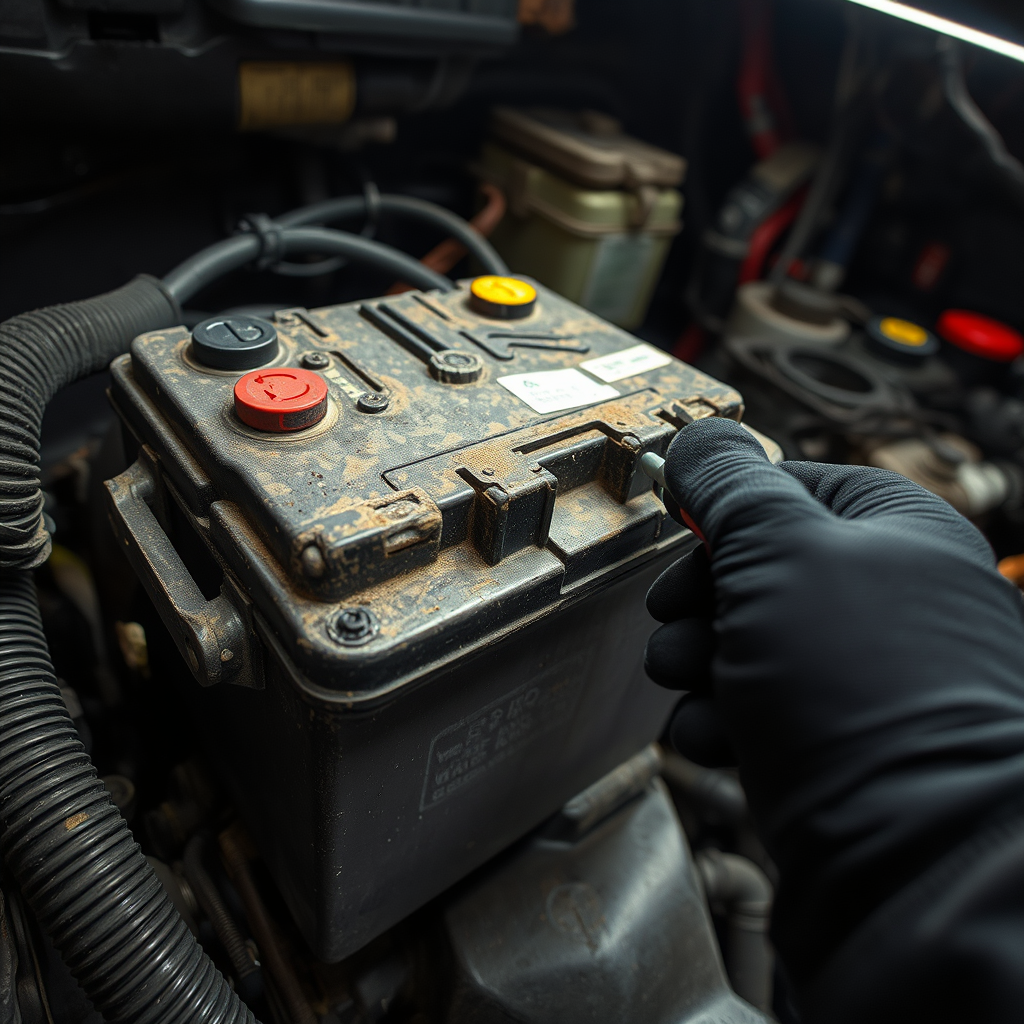
Introduction to EV Battery Fire Safety
As electric vehicles (EVs) continue to revolutionize the automotive industry, understanding the importance of EV battery fire safety has never been more crucial. The rise in popularity of electric vehicles, coupled with the unique characteristics of lithium-ion batteries, presents both opportunities and challenges. Ensuring the safety of these batteries is paramount not only for the safety of drivers and passengers but also for maintaining the integrity of the electric vehicle market.
One of the key aspects of EV battery fire safety is the awareness of potential hazards and risks associated with electric vehicle batteries. Unlike traditional car batteries or even truck batteries, lithium-ion batteries used in EVs can experience thermal runaway. This is a condition where an increase in temperature can lead to a destructive reaction, potentially causing a fire. Understanding this risk is vital for anyone involved in the handling, maintenance, and operation of electric vehicles.
Practical examples of battery hazards include overcharging, damage from collisions, or exposure to extreme temperatures. These can all lead to increased risks of battery failure. That’s why battery maintenance and monitoring battery lifespan are crucial components of ensuring EV safety. Regular checks and adhering to manufacturer guidelines can significantly mitigate these risks. For instance, using the best battery management systems can help regulate charge and discharge cycles, thereby preventing overheating.
For EV owners, integrating safety measures such as installing fire suppression systems in garages or using thermal protection barriers can act as additional safety nets. Furthermore, staying informed about the latest developments in battery technology and safety protocols can provide peace of mind and enhance overall vehicle security.
Ultimately, understanding the intricacies of EV battery safety is essential for anyone involved in the automotive industry, from manufacturers to end-users. By prioritizing safety and education, we can ensure the sustainable growth of the electric vehicle market and maintain a high standard of safety for all.
Understanding Lithium-Ion Battery Risks
Lithium-ion batteries, widely used in both car batteries and truck batteries, are known for their high energy density and efficiency. However, their composition, which includes highly reactive lithium and other flammable electrolytes, poses significant risks if not handled properly. The potential hazards associated with these batteries stem from their intricate internal design, which, while optimized for performance, can be prone to failures such as short circuits or leaks. These failures can significantly impact battery maintenance and lifespan, leading to more frequent replacements and increased costs.
One of the most concerning issues related to lithium-ion batteries is ‘thermal runaway,’ a phenomenon where an increase in temperature causes a reaction that releases more heat, potentially leading to fires or explosions. Thermal runaway can be triggered by several factors, including overcharging, physical damage, or manufacturing defects. For instance, if a car battery is overcharged due to a faulty charger or misaligned settings, it can lead to excessive heat build-up, risking a thermal runaway scenario. Similarly, a truck battery subjected to a harsh impact during off-road driving may suffer internal damages that could initiate this dangerous cycle.
To mitigate these risks and ensure the best battery performance, regular battery maintenance is crucial. This includes checking for signs of wear, ensuring proper charging practices, and avoiding extreme environmental conditions that could stress the battery. Additionally, investing in a high-quality battery management system can help monitor and control the charging process, thereby preventing overcharging and overheating.
**Actionable Tips for Battery Safety:**
1. Regularly inspect your battery for physical damage or signs of wear.
2. Use only recommended chargers and adhere to manufacturer charging guidelines.
3. Avoid exposing your vehicle to extreme temperatures for prolonged periods.
4. Consider installing temperature sensors that alert you to potential overheating.
Understanding these risks and implementing preventive measures can prolong battery lifespan and enhance vehicle safety. Whether you are using a car battery or a truck battery, prioritizing battery maintenance is key to avoiding the hazards associated with lithium-ion technology.
EV Battery Fire Prevention Strategies
As electric vehicles (EVs) become increasingly popular, understanding and implementing effective strategies for EV battery fire prevention is crucial. A proactive approach not only enhances safety but also extends the battery lifespan. Below, we delve into key strategies that can help prevent such incidents, focusing on implementing effective battery management systems and providing regular EV battery maintenance and inspection tips.
Implementing Effective Battery Management Systems
Effective battery management systems (BMS) are the cornerstone of ensuring the safety and longevity of your car battery. These systems monitor and regulate the charging and discharging cycles, preventing overcharging and overheating, which are common culprits in battery fires. Consider investing in a BMS that offers real-time monitoring and alerts, allowing you to act quickly should any irregularities occur. For instance, a high-quality BMS can adjust the charging parameters based on the battery’s age and condition, optimizing its performance and extending its lifespan.
For those managing fleets of vehicles, such as truck battery systems, a BMS can be integrated with fleet management software to provide comprehensive oversight of each battery’s health. This integration ensures that any potential issues are flagged and addressed before they escalate, making it a vital tool in preventing battery fires.
Regular EV Battery Maintenance and Inspection Tips
Regular maintenance and inspection are critical to keeping your EV’s battery in top condition and avoiding safety hazards. Start by scheduling periodic physical inspections to check for signs of wear and tear, such as corrosion or swelling, which can indicate underlying issues. Additionally, ensure that your car battery terminals are clean and free from corrosion, as dirty terminals can lead to inefficient power flow and overheating.
One actionable tip is to create a checklist for battery maintenance that includes steps such as checking the electrolyte levels and ensuring the battery is securely mounted to prevent vibrations that can cause damage over time. For those seeking the best battery performance, incorporating a routine where the battery is charged to around 80% rather than full capacity can help maintain its health and extend its lifespan.
In conclusion, implementing a robust battery management system and adhering to regular maintenance practices are key strategies in preventing EV battery fires. By being proactive, you can ensure the safety, efficiency, and longevity of your vehicle’s power source, whether it’s a car or truck battery.
Fire-Resistant EV Batteries: An Emerging Solution
As the demand for electric vehicles (EVs) continues to surge, the automotive industry is rapidly evolving to address new challenges, including the crucial issue of battery fires. Fire-resistant EV batteries have become a focal point for both manufacturers and consumers seeking safety and reliability. These advanced car battery technologies not only promise to enhance safety but also extend the battery lifespan, making them an attractive option for eco-conscious drivers.
Research and advancements in battery fire suppression technologies have made significant strides in recent years. Engineers are exploring innovative materials and designs that can withstand high temperatures without compromising performance. For example, incorporating solid-state components into EV batteries could reduce the risk of thermal runaway, a common cause of battery fires. This advancement not only makes the best battery options safer but also promotes longer battery maintenance intervals and improved efficiency.
One practical example of these advancements is the development of non-flammable electrolytes. Traditional lithium-ion batteries use liquid electrolytes, which can be flammable under certain conditions. By switching to solid or gel-based electrolytes, manufacturers aim to create safer and more stable batteries for both electric cars and trucks. This transition is especially critical for larger vehicles like electric trucks, where the risk and impact of battery fires could be more significant.
To ensure ongoing safety and performance, it’s important for vehicle owners to adhere to regular battery maintenance schedules. This includes checking for any signs of wear and tear, ensuring proper charging habits, and using manufacturer-recommended charging equipment. By doing so, drivers can enhance the lifespan of their EV and truck battery systems, ensuring their vehicles remain safe and efficient.
In conclusion, as the automotive industry continues to innovate, the development of fire-resistant EV batteries represents a significant step forward in vehicle safety and performance. By staying informed and adopting proper maintenance practices, drivers can confidently choose the best battery solutions for their needs, contributing to a safer and more sustainable automotive future.
Battery Fire Emergency Response and Extinguishing Methods
When faced with a battery fire emergency, especially involving car batteries or truck batteries, quick and effective response is crucial. Understanding the steps to take during such emergencies can significantly mitigate damage and ensure safety.
Steps to Take During a Battery Fire Emergency Response
1. **Ensure Personal Safety:** The first and foremost step is to ensure that all individuals are at a safe distance from the vehicle. If you suspect a battery fire in your car or truck, make sure to evacuate the area to prevent injuries from smoke inhalation or explosions.
2. **Contact Emergency Services:** Promptly call emergency services to handle the battery fire. They have the expertise and tools required for such situations. Provide them with all necessary details, including the type of vehicle and any visible damages.
3. **Use an Appropriate Fire Extinguisher:** If it’s safe to do so, and you have access to a fire extinguisher rated for electrical fires (Class C), attempt to extinguish the fire. However, if the fire is too large or uncontrollable, prioritize evacuation and await professional help.
Overview of Battery Fire Extinguishing Methods and Tools
Handling a battery fire requires specific extinguishing methods. Traditional methods might not be effective, especially with lithium-ion batteries used in electric vehicles (EVs).
– **Water Mist Systems:** These systems are effective for cooling and controlling battery fires without causing damage to the battery system. They work by reducing the temperature and cutting off the oxygen supply.
– **Class D Fire Extinguishers:** These are specifically designed for metal fires, which are common in battery incidents. They work by containing the fire with a special powder that smothers the flames.
– **Thermal Runaway Prevention Systems:** Installing these systems in your vehicle can help prevent battery fires. They monitor the battery’s health, ensuring optimal battery maintenance and extending the battery lifespan.
For automotive enthusiasts and professionals, understanding these methods can make a difference in emergency situations. Always keep your vehicle’s battery maintenance up to date and consider investing in the best battery options available to reduce the risk of fires.
FAQs
– **What should I do if my truck battery catches fire?**
– Ensure everyone is safe, call emergency services, and use a Class C fire extinguisher if safe to do so.
– **Can I use a regular fire extinguisher on a car battery fire?**
– No, use a fire extinguisher rated for electrical or metal fires to effectively manage a battery fire.
By being prepared and informed, you can effectively respond to battery fire emergencies, ensuring safety and minimizing damage.
Top EV Battery Safety Tips for Owners
As electric vehicles (EVs) become increasingly popular, understanding how to maintain and ensure the safety of your car battery is crucial. Here, we provide practical safety tips for electric vehicle owners to help maximize the battery lifespan and prevent potential hazards.
Firstly, one of the most important aspects of battery maintenance is regular inspection. Just as you would ensure your truck battery is in optimal condition, it’s essential to routinely check your EV’s car battery for any signs of wear or damage. This includes looking out for corrosion on the terminals and ensuring all connections are secure. Performing these checks not only extends the battery lifespan but also ensures the vehicle’s overall safety.
In various scenarios, such as extreme weather conditions, specific guidelines should be followed to ensure electric vehicle safety. For instance, during a heatwave, parking your EV in a shaded area or garage can prevent the car battery from overheating. Conversely, in colder climates, using a thermal blanket specifically designed for car batteries can help maintain temperature stability. Such proactive measures are akin to choosing the best battery for your vehicle’s needs, tailored to the environment and usage patterns.
Moreover, understanding the charging process is crucial for safety and efficiency. Avoid overcharging your battery by using a smart charger that automatically shuts off once the battery is full. This practice not only conserves energy but also prevents potential fire hazards, similar to the incident handled by the Berkeley Fire department.
For those new to electric vehicles, creating a checklist can be beneficial. Include steps such as checking the battery’s state of charge before long trips, scheduling regular maintenance with a certified technician, and keeping emergency contact numbers handy.
In essence, maintaining your EV’s car battery requires attention to detail and adherence to safety protocols. By applying these tips, electric vehicle owners can enjoy a more reliable and safer driving experience.
Conclusion: Ensuring Comprehensive Electric Vehicle Safety
In the ever-evolving landscape of electric vehicles (EVs), ensuring the safety of car batteries is paramount. The article from The Berkeley Scanner highlights the critical incident involving an EV battery fire at Webster and Benvenue in Berkeley, illustrating the potential hazards associated with lithium-ion batteries used in electric cars. These incidents emphasize the importance of rigorous battery maintenance and the implementation of stringent safety protocols to prevent future occurrences.
The discussion sheds light on the necessity of adopting comprehensive safety measures for not only electric car batteries but also truck batteries, which are increasingly being electrified. Ensuring that the best battery standards are met involves regular inspection and maintenance to maximize the battery lifespan. For instance, avoiding overcharging and excessive heat exposure can significantly reduce the risk of battery failures.
Final thoughts from the article underscore the importance of prioritizing EV battery safety as the industry expands. With the growing adoption of electric vehicles, manufacturers and consumers alike must remain vigilant about the potential risks associated with these powerful energy storage systems. This includes investing in advanced battery technology that enhances safety and longevity, as well as educating vehicle owners on proper usage and maintenance techniques.
Here are some actionable tips to enhance your car battery safety:
- Regular Inspections: Schedule periodic checks with a professional to assess the health and integrity of your car battery.
- Temperature Management: Park your vehicle in shaded or ventilated areas to avoid excessive heat buildup.
- Proper Charging Practices: Follow the manufacturer’s guidelines for charging cycles to prevent overcharging.
- Emergency Preparedness: Equip your vehicle with a fire extinguisher and familiarize yourself with emergency procedures in case of a battery malfunction.
For those curious about which battery might be the best fit for their needs, consider consulting with experts who can provide insights into the latest advancements in battery technology. Understanding the nuances of battery maintenance and the factors influencing battery lifespan can greatly contribute to both safety and performance, ensuring that your journey with electric vehicles is as smooth and secure as possible.