
Introduction to Electric Vehicle Battery Technology
The automotive world is undergoing a radical transformation with the rise of electric vehicles (EVs). As concerns over climate change and environmental sustainability grow, both consumers and manufacturers are turning their attention to EVs, making them a pivotal part of the transportation landscape. In recent years, electric vehicles have gained popularity due to their potential to reduce carbon emissions and reliance on fossil fuels. This shift is not just a trend but a significant movement towards a more sustainable future. However, the success of EVs hinges largely on advances in battery technology.
Battery technology is at the heart of EV development, playing a crucial role in determining the vehicles’ range, efficiency, and overall performance. The car battery, particularly those using lithium-ion technology, has become the cornerstone of this evolution. These batteries are favored for their high energy density and ability to recharge quickly, making them ideal for the demands of electric vehicles. Unlike traditional lead-acid batteries often used in truck battery applications, which are heavier and less efficient, lithium-ion batteries provide the power needed for longer trips and faster acceleration, which are essential features for the best battery in today’s market.
Battery maintenance and battery lifespan are critical factors that influence the adoption of EVs. Consumers are concerned with how long their car battery will last and how often it will need replacement. To address these concerns, manufacturers are constantly innovating, improving the durability and efficiency of their products. For instance, the advent of solid-state batteries promises longer lifespans and enhanced safety, which could revolutionize the industry.
**Actionable Tips for EV Owners:**
1. **Regular Check-ups:** Schedule routine battery maintenance to ensure optimal performance and extend battery lifespan.
2. **Mind the Charging Habits:** Avoid frequent fast charging, which can degrade the car battery over time.
3. **Temperature Control:** Park in shaded areas or garages to prevent overheating, which can negatively affect battery health.
Understanding the nuances of battery technology in EVs helps consumers make informed decisions, ensuring they choose the best battery for their needs while contributing to a sustainable automotive future.
Understanding Lithium-Ion Batteries
Lithium-ion batteries have been at the forefront of the electric vehicle (EV) revolution, playing a pivotal role in transforming the automotive industry. The journey of lithium-ion batteries began in the late 20th century and has since dominated the EV market due to their superior energy density and efficiency. Unlike traditional lead-acid batteries, which are still common in truck battery applications, lithium-ion batteries offer a lightweight and compact solution, making them the best battery choice for modern electric cars.
Historically, the development of lithium-ion technology marked a significant shift from the bulky and less efficient batteries of the past. With the growing demand for sustainable and eco-friendly transportation, EV manufacturers quickly adopted lithium-ion batteries, recognizing their potential to enhance performance while reducing environmental impact. This dominance is evident in how the car battery market has evolved, with lithium-ion technology becoming synonymous with electric vehicles.
Today, lithium-ion batteries are indispensable in current EV battery technology. Their ability to deliver high power output, combined with a relatively long battery lifespan, makes them a core component of any electric vehicle. For instance, Tesla’s impressive range and performance can be attributed to their advanced lithium-ion battery packs, which are meticulously designed to ensure optimal battery maintenance and longevity.
For automotive enthusiasts and everyday drivers alike, understanding the role of lithium-ion batteries in EV technology is crucial. Regular battery maintenance is essential to prolong the battery lifespan, ensuring that your car battery continues to perform at its best. Drivers should regularly check battery health indicators and follow manufacturer guidelines to maximize efficiency and reliability.
FAQs:
- How long do lithium-ion car batteries last? Typically, they last between 8 to 15 years, depending on usage and maintenance.
- Can lithium-ion batteries be used in trucks? While more common in cars, advancements in technology are making them a viable option for truck batteries as well.
Emerging Solid-State Batteries
As the automotive industry accelerates toward a more sustainable future, the emergence of solid-state battery technology is paving the way for a new era in electric vehicles. Unlike conventional lithium-ion batteries that utilize liquid electrolytes, solid-state batteries employ solid electrolytes, offering a transformative approach to energy storage in both car batteries and truck batteries.
Introduction to Solid-State Battery Technology
Solid-state battery technology represents a significant breakthrough in battery design. At its core, this technology replaces the liquid or gel electrolyte found in traditional lithium-ion batteries with a solid material. This solid electrolyte can be made from various compounds, including ceramics and sulfides, which provide greater stability and safety. One of the most promising aspects of solid-state batteries is their potential to store more energy in a smaller footprint, which translates to increased vehicle range and reduced charging times.
For instance, imagine an electric vehicle that can travel from Los Angeles to San Francisco on a single charge, with a battery that occupies less space and weighs less than existing lithium-ion solutions. This could revolutionize the automotive industry, making electric cars more practical and appealing to a broader audience.
Advantages Over Lithium-Ion Batteries
Solid-state batteries offer several advantages over their lithium-ion counterparts. The most notable benefit is their enhanced safety profile. Since they do not contain flammable liquid electrolytes, the risk of battery fires is significantly reduced, making them an ideal choice for car batteries and potentially the best battery option for electric trucks.
Moreover, the solid-state design improves battery lifespan. These batteries exhibit less degradation over time, which means they can endure more charge-discharge cycles than traditional lithium-ion batteries. This longevity translates to less frequent battery replacements and lower maintenance costs, an attractive proposition for both personal vehicle owners and commercial truck fleets concerned with battery maintenance.
In conclusion, as automotive manufacturers continue to innovate and develop solid-state batteries, we stand on the brink of a technological leap that promises to enhance the performance, safety, and efficiency of electric vehicles. As these advancements unfold, keeping abreast of the latest developments and understanding the nuances of battery maintenance will be crucial for consumers looking to invest in the future of transportation.
Battery Energy Density and Performance Optimization
In the evolving landscape of electric vehicles, battery energy density stands out as a crucial factor determining the future of sustainable transportation. Defined as the amount of energy a battery can store relative to its weight or volume, energy density is a key metric in assessing a car battery’s efficiency. Higher energy densities allow vehicles to travel longer distances on a single charge, which is paramount for both consumer convenience and the expansion of the electric vehicle market.
Recent advancements in battery chemistry have significantly contributed to optimizing performance, particularly in improving energy density. Innovations such as solid-state batteries and lithium-sulfur technology are at the forefront of this transformation. Solid-state batteries, for example, replace the liquid electrolyte with a solid one, enhancing safety and increasing energy density. This makes them a promising option not just for car batteries but also for truck batteries, where reliability and endurance are critical.
Moreover, lithium-sulfur batteries offer a higher theoretical energy density compared to traditional lithium-ion batteries, potentially doubling the distance electric vehicles can travel. Such developments are pivotal as manufacturers seek the best battery solutions to meet consumer demands for longer battery lifespan and reduced charging times. However, challenges such as battery maintenance and cost-efficiency remain, necessitating ongoing research and development.
As consumers increasingly prioritize battery performance in their purchasing decisions, understanding and optimizing energy density becomes essential. To maximize the lifespan of a car battery, regular maintenance—such as checking for corrosion, ensuring proper charging, and monitoring temperature—is advised. For those in the market for an electric vehicle, considering the advancements in battery chemistry and choosing a vehicle with a proven energy density can lead to significant long-term benefits.
In summary, the drive towards higher battery energy density and performance optimization is reshaping the automotive industry. By focusing on innovative chemistry solutions and practical maintenance tips, both car and truck batteries can achieve unprecedented levels of efficiency and reliability.
Enhancing Battery Lifespan and Cost Reduction
The quest for a longer-lasting car battery is pivotal to the evolution of electric vehicles, impacting both performance and cost. Understanding the factors affecting battery lifespan is crucial for consumers and manufacturers alike. A car battery’s lifespan is influenced by various elements, including temperature fluctuations, charging habits, and the type of battery chemistry used. For instance, lithium-ion batteries, widely considered the best battery for electric vehicles, tend to degrade faster in extreme temperatures. This can lead to reduced efficiency and increased replacement costs over time. Proper battery maintenance, such as regular check-ups and maintaining optimal charging levels, can significantly extend the lifespan of both car and truck batteries.
Innovations aimed at extending battery life are at the forefront of research and development. Scientists and engineers are continuously exploring advanced materials and technologies to create more durable and cost-effective solutions. One promising approach is the use of solid-state batteries, which offer a higher energy density and improved safety compared to traditional liquid-based batteries. These innovations not only promise a longer battery lifespan but also contribute to cost reduction by decreasing the frequency of replacements. Additionally, the introduction of smart charging systems that optimize charging cycles based on usage patterns is a game-changer for electric vehicle owners, ensuring that batteries are not only long-lasting but also efficient.
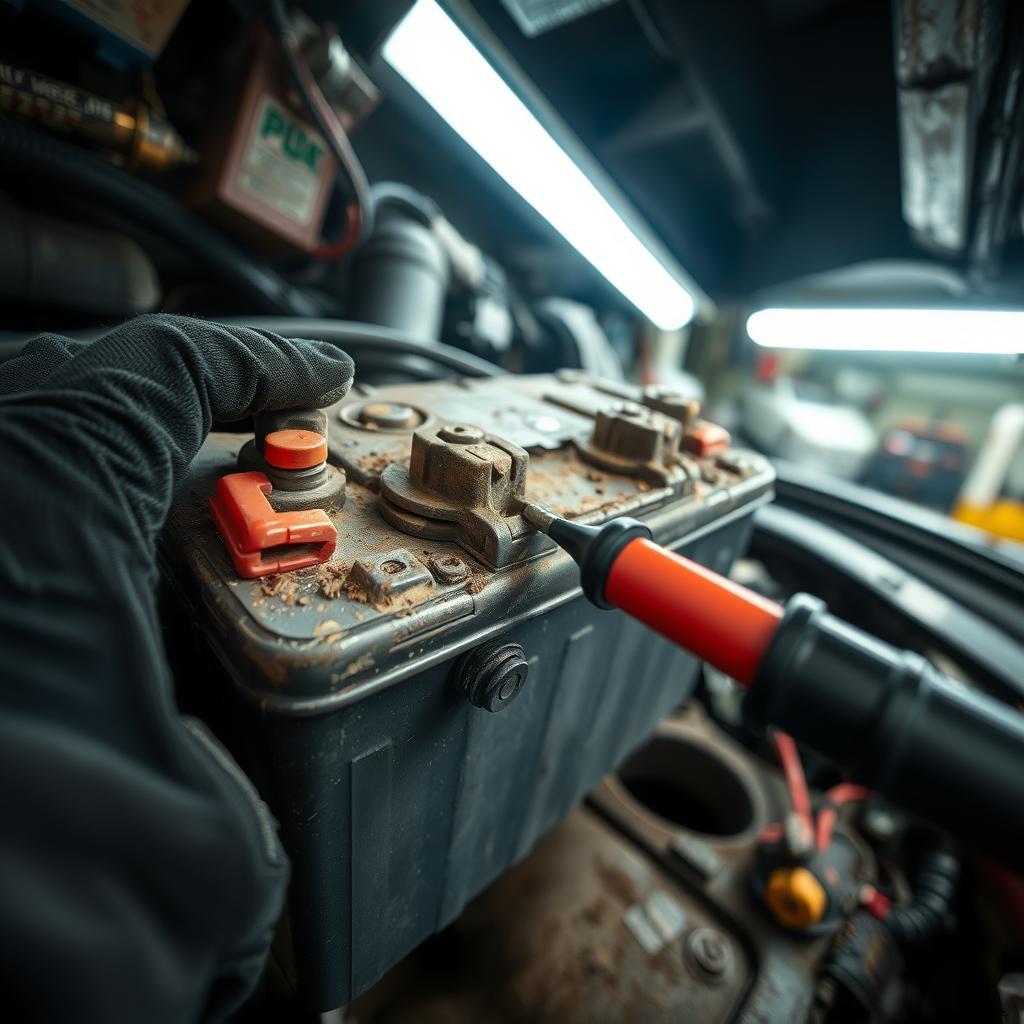
To keep your car battery in top condition, consider implementing a few actionable tips. Regularly inspect the battery for signs of wear and tear, such as corrosion on the terminals. Use a battery maintenance tool or app to monitor charge levels and receive alerts when maintenance is due. Lastly, invest in a high-quality charger that supports your battery type to prevent overcharging or deep discharging, both of which can significantly reduce battery lifespan.
By understanding and applying these insights into battery maintenance, automotive enthusiasts can maximize the performance and longevity of their vehicles, ensuring a smoother and more economical driving experience.
EV Charging Infrastructure and Fast-Charging Batteries
The shift towards electric vehicles (EVs) is revolutionizing the automotive landscape, yet the current status of EV charging infrastructure remains a pivotal factor in their widespread adoption. As of now, the global infrastructure is still evolving, with key regions such as North America, Europe, and parts of Asia leading the charge in expanding their networks. However, the accessibility and convenience of charging stations vary significantly, with urban areas typically more equipped than rural locales. For instance, major cities might boast numerous fast-charging hubs, while small towns could still rely on a sparse network of slower chargers.
Fast-charging batteries play a crucial role in shaping and expanding this infrastructure. These batteries, often touted as the best battery solution for modern EVs, drastically reduce charging times, allowing drivers to replenish their car battery in a fraction of the time it would take with conventional chargers. This capability is particularly beneficial for long-haul journeys, which otherwise might necessitate unscheduled overnight stops. For example, a fast-charging station can recharge a battery up to 80% in just 30 minutes, making long-distance travel more feasible and less time-consuming.
The development of fast-charging technology also impacts the truck battery sector, where downtime can significantly affect logistics and operational efficiency. By integrating fast-charging capabilities into truck batteries, fleet operators can minimize downtime, thus improving turnaround times and reducing operational costs.
Actionable Tips:
1. **Plan Your Route:** Use apps that show real-time availability and status of charging stations along your route.
2. **Battery Maintenance:** Regularly check and maintain your EV’s battery health to maximize battery lifespan and efficiency.
FAQ:
**Q: How can I extend my car battery’s lifespan?**
A: Ensure regular maintenance checks, avoid deep discharging, and use fast-charging stations judiciously to prevent overuse.
In conclusion, while the current EV charging infrastructure is still maturing, the integration of fast-charging batteries is undeniably a game-changer. It not only enhances the practicality of owning an EV but also sets the stage for innovative developments in battery technology, promising a future where EVs are a viable option for everyone.
Sustainable Battery Materials and Recycling
In the evolving landscape of electric vehicles, the demand for sustainable materials in car battery production has become a critical focus. As automotive industries strive to reduce their carbon footprint, the need for eco-friendly and ethically sourced materials is more pressing than ever. For instance, the extraction of lithium, cobalt, and nickel, essential components of car and truck batteries, has historically posed environmental and ethical challenges. To address these issues, manufacturers are exploring alternative materials such as solid-state electrolytes and organic battery materials that offer a reduced environmental impact while maintaining performance.
Moreover, the introduction of recycling processes is revolutionizing how we handle the end of the battery lifespan. Effective battery recycling not only minimizes waste but also recovers valuable materials, ensuring a sustainable supply chain. For example, companies like Redwood Materials are pioneering closed-loop recycling processes that extract and reuse critical elements like lithium and cobalt from used car and truck batteries. This not only supports environmental sustainability but also reduces reliance on mining, which can be both costly and detrimental to ecosystems.
One practical tip for consumers to contribute to this sustainability effort is to engage in regular battery maintenance. Simple actions like keeping the car battery properly charged and ensuring it is free from corrosion can extend the battery lifespan, delaying the need for recycling and thus conserving resources. Additionally, selecting the best battery for your vehicle, which aligns with your specific usage patterns and environmental considerations, can also play a significant role in sustainable practices.
For a quick reference, here’s a checklist to ensure your battery practices are aligned with sustainability:
- Opt for batteries made from sustainable materials.
- Participate in recycling programs for used batteries.
- Regularly check and maintain your battery to extend its lifespan.
- Choose high-efficiency batteries that suit your vehicle’s needs.
FAQs:
- What are the benefits of recycling car batteries? Recycling car batteries helps recover valuable materials, reduces environmental impact, and supports sustainable material supply chains.
- How can I ensure my battery lasts longer? Regular maintenance, proper charging, and avoiding extreme temperatures can help extend the life of your car battery.
In conclusion, the shift towards sustainable battery materials and efficient recycling processes is not just beneficial for the environment but also crucial for the future of the automotive industry in terms of resource conservation and ethical production.
Next-Gen EV Batteries and Future Outlook
In the ever-evolving landscape of electric vehicles (EVs), the development of next-generation car battery technologies is pivotal. Among the most promising advancements is the exploration of solid-state batteries, which promise to revolutionize the industry with their higher energy densities and improved safety profiles compared to traditional lithium-ion batteries. Solid-state batteries utilize a solid electrolyte rather than a liquid one, reducing the risk of leaks and flammability, which are common concerns with current battery technologies.
Another exciting innovation in the realm of truck battery technology is the development of lithium-sulfur batteries. These batteries offer a higher theoretical energy density than lithium-ion batteries, potentially delivering extended driving ranges for both electric cars and trucks. The primary challenge remains in enhancing the battery lifespan as lithium-sulfur batteries tend to degrade quickly. However, recent research in stabilizing sulfur compounds and developing novel cathode materials shows promise in overcoming these hurdles.
Potential Breakthroughs in Battery Performance
Breakthroughs in battery performance are not limited to chemistry alone. The integration of AI and machine learning into battery management systems is set to optimize the performance of both car and truck batteries. By predicting battery maintenance needs and optimizing charging cycles, these smart systems can significantly extend the lifespan of the best battery models available today.
Moreover, advancements in fast-charging technologies are poised to reduce charging times dramatically, making electric vehicles more convenient for everyday use. Imagine recharging your EV in just a fraction of the time it takes now; such advancements could accelerate the adoption of electric vehicles globally.
FAQs
**Q: How can I improve my car battery’s lifespan?**
A: Regular battery maintenance, such as checking the battery terminals for corrosion and ensuring it’s properly charged, can help extend its life.
**Q: What is the best battery type for trucks?**
A: Lithium-ion batteries are currently considered the best for trucks due to their balance of energy capacity and durability. However, keep an eye on emerging technologies like solid-state and lithium-sulfur batteries for future improvements.
As the race for superior battery technology continues, staying informed about these innovations will ensure you are prepared for the next wave of electric vehicles that promise to reshape our transportation future.
Conclusion
As we reach the conclusion of the current exploration into electric vehicle (EV) battery technology, it’s apparent that significant advancements are rapidly shaping the automotive landscape. The development of new car battery chemistries has been at the forefront, with lithium-ion still dominating the market. However, promising alternatives like solid-state batteries and lithium-sulfur variants are on the horizon, each offering unique benefits such as increased energy density and faster charging times. These technologies not only promise to extend the battery lifespan significantly but also cater to the growing demand for more sustainable and efficient energy storage solutions.
Innovation plays a pivotal role in driving the future of electric vehicles. From enhancing the performance of a standard car battery to pioneering breakthroughs in truck battery systems designed for heavy-duty applications, the quest for the best battery solution is intense. Companies are investing heavily in R&D to not only improve the efficiency but also the battery maintenance processes. This ensures longer operational life and reliability, which are critical factors for consumer acceptance of EVs. For instance, Tesla’s focus on developing their 4680 battery cells exemplifies how strategic innovation and scale-up can lead to breakthroughs in energy capacity and cost reduction.
To keep up with these rapid advancements, automotive enthusiasts and professionals must stay informed about the latest trends and technologies. A proactive approach to battery maintenance, understanding the nuances of battery chemistry, and knowing when to replace or upgrade your EV’s battery can significantly enhance your vehicle’s performance. Additionally, for those in the trucking industry, recognizing the specific requirements of a truck battery compared to a car battery is crucial for optimizing fleet operations.
As the industry moves forward, it’s essential for manufacturers, consumers, and policymakers to collaborate closely, ensuring that the transition to electric vehicles is both seamless and sustainable. The race for the best battery will ultimately determine the pace at which electric vehicles become a staple on our roads, driving us towards a cleaner and more energy-efficient future.