
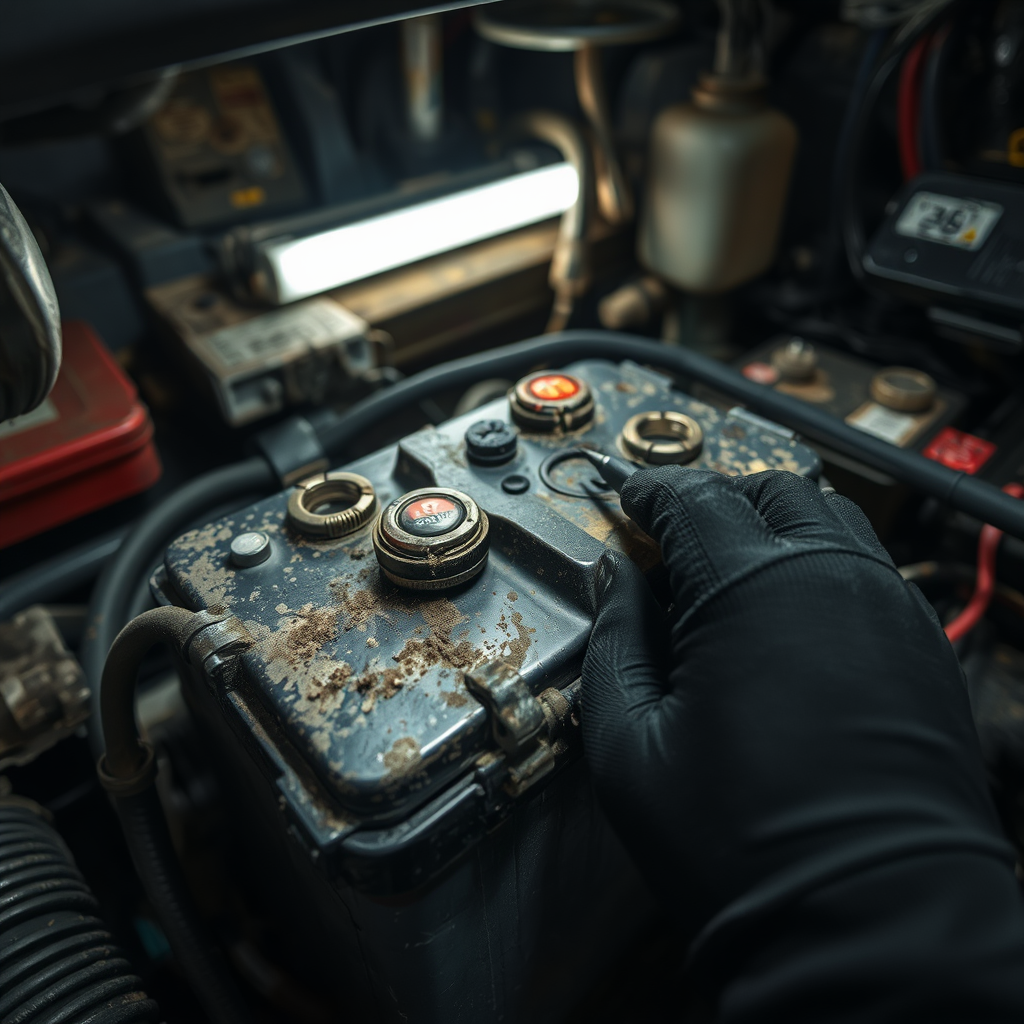
Introduction to Electric Vehicle Battery Health
As the automotive industry increasingly shifts towards electric vehicles (EVs), maintaining the health of your car battery becomes paramount. This is not only crucial for ensuring the longevity of your vehicle but also for maximizing the efficiency and performance of your electric vehicle. A well-maintained car battery can significantly extend the lifespan of your EV, making it a vital component of battery maintenance strategies.
Understanding the importance of maintaining EV battery health is essential. Unlike traditional internal combustion engines where a truck battery might be swapped out with relative ease, the best battery for an electric vehicle is one that remains healthy over the long haul. Regular battery maintenance helps prevent degradation, which can negatively impact the battery lifespan and, consequently, the overall performance of the vehicle.
Several key factors affect battery health, making it imperative for EV owners to be aware of these influences. One of the primary considerations is the daily driving behavior. For instance, frequent short trips can lead to incomplete charging cycles, while consistent high-speed driving may cause overheating. Both scenarios can contribute to a reduced battery lifespan. To counteract these effects, EV owners should adopt driving habits that promote battery health, such as avoiding rapid acceleration and maintaining moderate speeds.
Moreover, understanding the impact of environmental conditions is vital. Extreme temperatures, whether hot or cold, can significantly alter the performance of a car battery. Implementing practical tips like parking in shaded areas during hot weather or using a thermal management system in colder climates can mitigate these effects.
For automotive enthusiasts and everyday drivers alike, maintaining the health of an EV battery is a dynamic process that requires attention and care. By integrating battery maintenance routines and making informed decisions based on driving behavior, you can ensure your electric vehicle remains in optimal condition for years to come.
Understanding Battery Lifespan and Degradation
When discussing car battery health, particularly for electric vehicles, it’s crucial to understand the concept of battery lifespan and the various factors that contribute to battery degradation. The lifespan of a car battery is essentially the period during which it can efficiently store and supply energy. Several factors influence this lifespan, including the frequency of use, the environment in which the vehicle operates, and the driver’s behavior. For example, consistently driving in extreme temperatures can shorten battery lifespan due to increased stress on battery components.
One of the primary factors in battery degradation is the charging cycle. A charging cycle refers to the process of charging a battery to its full capacity and then using it until it’s depleted to a certain level. Each time this cycle occurs, it contributes to the gradual degradation of the car battery. In practical terms, if you frequently use rapid charging stations, this can lead to faster degradation compared to slower, more controlled charging methods. Understanding the charging cycle’s impact can be particularly beneficial for maintaining the best battery performance over time.
To optimize battery maintenance and extend battery lifespan, consider implementing strategies such as maintaining a moderate charge level and avoiding full discharges. For instance, keeping your battery charged between 20% and 80% can reduce stress on the battery and prolong its life. This approach applies to both car and truck batteries, ensuring you get the most out of your investment.
While battery technology continues to improve, drivers must remain proactive in their approach to battery maintenance. Regularly monitoring your vehicle’s battery health, using manufacturer-recommended charging practices, and understanding the impact of daily driving habits can significantly enhance battery longevity. This not only ensures reliable performance but also maximizes the value derived from your vehicle’s power source.
Daily Driving Impact on EV Battery Health
Understanding the profound impact of daily driving habits on electric vehicle (EV) battery health is crucial for maintaining the longevity of your car battery. Essentially, how you drive can significantly influence the rate at which your battery degrades over time. For instance, aggressive driving behaviors such as rapid acceleration and frequent hard braking can expedite battery wear, reducing its lifespan and efficiency. This is akin to the wear and tear experienced by a truck battery subjected to constant heavy loads.
Moreover, the driving environment also plays a pivotal role. Consistent stop-and-go traffic can be particularly taxing on an EV’s car battery, as it demands continuous power output adjustments. Thus, adopting a more conservative driving style, characterized by gradual acceleration and smooth braking, can help preserve battery health and extend the overall battery lifespan.
Another critical aspect to consider is the relationship between driving habits and vehicle range. The way you drive directly affects how far you can travel on a single charge. Efficient driving techniques not only enhance vehicle range but also contribute to better battery maintenance. For example, maintaining a steady speed and using regenerative braking can maximize your EV’s range, ensuring you get the best performance out of your battery.
Practical Tips to Extend Battery Health:
- Avoid high-speed driving and aggressive acceleration to conserve energy.
- Utilize eco-driving modes if available to optimize energy consumption.
- Regularly check tire pressure to reduce unnecessary energy drain.
FAQs:
Q: How often should I charge my EV to maintain the best battery health?
A: It’s advisable to keep the battery charge between 20% and 80% for optimal performance and longevity.
Q: Does temperature affect battery lifespan?
A: Yes, extreme temperatures can adversely impact battery performance. Parking in shaded or temperature-controlled areas can help mitigate this.
EV Battery Maintenance and Monitoring
Ensuring the longevity and optimal performance of your electric vehicle’s (EV) car battery involves understanding and implementing essential maintenance practices. Regular battery maintenance is crucial not only for preserving the battery lifespan but also for maintaining the overall efficiency of your vehicle. A well-maintained battery can deliver the best performance, much like how a truck battery requires periodic checks to ensure it remains reliable under heavy-duty conditions.
One of the key maintenance practices is keeping your car battery at an optimal charge level. Avoid letting it drop below 20% or charging it to 100% unless necessary for a long journey. Overcharging can lead to thermal runaway, which decreases battery lifespan. Additionally, maintaining a stable temperature is vital. Extreme temperatures, both hot and cold, can significantly impact battery health. During colder months, consider parking in a garage or using a thermal management system to protect your battery.
Battery monitoring systems play an integral role in prolonging the life of your EV battery. These systems provide real-time data on battery health, charging cycles, and overall performance. By analyzing this data, you can detect potential issues early and address them before they become major problems. For instance, if the monitoring system indicates frequent deep discharges, you might need to adjust your charging habits to mitigate long-term damage.
Investing in a quality battery monitoring system is akin to selecting the best battery for your vehicle, ensuring you have access to dependable performance metrics. Not only do these systems help in early detection of issues, but they also optimize energy usage, enhancing your vehicle’s efficiency. This is especially important for those who rely heavily on their vehicles, where battery performance can directly impact operational costs.
For automotive enthusiasts and everyday drivers alike, incorporating these battery maintenance practices and leveraging monitoring systems can make a substantial difference. Not only will they help in maintaining the health of your car battery, but they will also provide peace of mind knowing that your vehicle is operating at its best.
Maximizing Electric Vehicle Efficiency
Electric vehicles (EVs) have revolutionized the automotive industry by offering sustainable transport options. However, optimizing the efficiency of an EV hinges significantly on the health of its car battery. Implementing targeted strategies can drastically enhance battery maintenance, thereby extending the battery lifespan and improving overall vehicle performance.
One effective strategy to enhance electric vehicle efficiency is through the implementation of proper battery care routines. This involves regular inspections, ensuring that all connections are clean and secure, and monitoring the car battery’s health with diagnostic tools. By adopting such practices, EV owners can prevent premature degradation, which is crucial as replacing a battery can be a significant investment. Similar principles apply to maintaining a truck battery, where consistent care and monitoring can lead to prolonged utility and performance.
Another key aspect of maximizing EV efficiency is optimizing charging cycles to prolong battery life. By avoiding extreme states of charge—such as charging to 100% or allowing the battery to deplete completely—drivers can significantly enhance the durability of their car battery. Instead, maintain the charge level between 20% and 80% whenever possible. This practice can be applied across different types of vehicles, whether you’re seeking the best battery practices for a compact car or a heavy-duty truck battery.
Implementing a smart charging schedule is another actionable tip. Utilize off-peak hours for charging when electricity rates are lower, which not only saves money but also reduces the environmental impact. Furthermore, frequent short trips can cause more strain on the battery compared to fewer, longer journeys. Therefore, planning your trips efficiently can contribute to better battery health.
Adopting these strategies ensures that your vehicle’s battery maintenance is prioritized, leading to a longer battery lifespan and optimized vehicle performance. For those seeking to maximize the utility of their EV or find the best battery practices, incorporating these tips can make a significant difference.
Conclusion
In our exploration of maintaining the health of an electric vehicle (EV) battery, we have underscored the significant role that driving behavior plays. One of the key points discussed is the importance of adopting a cautious and consistent driving style. Aggressive acceleration and deceleration can significantly degrade a car battery’s performance and its overall lifespan. To effectively extend the life of your EV’s battery, it is crucial to maintain a moderate speed and avoid rapid starts and stops. This not only preserves the battery’s capacity but also contributes to a smoother and more energy-efficient driving experience.
Another critical aspect of maintaining EV battery health is the regular maintenance of your vehicle. Regular check-ups can help identify potential issues before they become serious problems. This includes monitoring battery health through diagnostic tools that can provide valuable insights into your car battery’s current condition. Ensuring that the battery management system is updated and functioning correctly is also essential. Just as with a truck battery, which requires regular maintenance to ensure reliability and longevity, the best battery care for an EV involves consistent checks and timely interventions.
We encourage EV owners to adopt responsible driving habits and commit to regular maintenance routines. This involves simple practices such as keeping your vehicle’s software up-to-date, maintaining optimal tire pressure, and ensuring that the electrical systems are functioning properly. By integrating these habits into your routine, you can significantly enhance your battery’s lifespan and performance.
For those looking to further extend their EV battery’s life, consider implementing a checklist that includes monthly battery inspections, quarterly software updates, and bi-annual professional evaluations. This proactive approach ensures that your vehicle remains in peak condition, providing you with peace of mind and contributing to sustainable driving.
In conclusion, maintaining the health of your EV battery is crucial for its performance and longevity. By adopting a balanced driving style and prioritizing regular battery maintenance, you can ensure that your electric vehicle remains a reliable and efficient mode of transportation for years to come.