
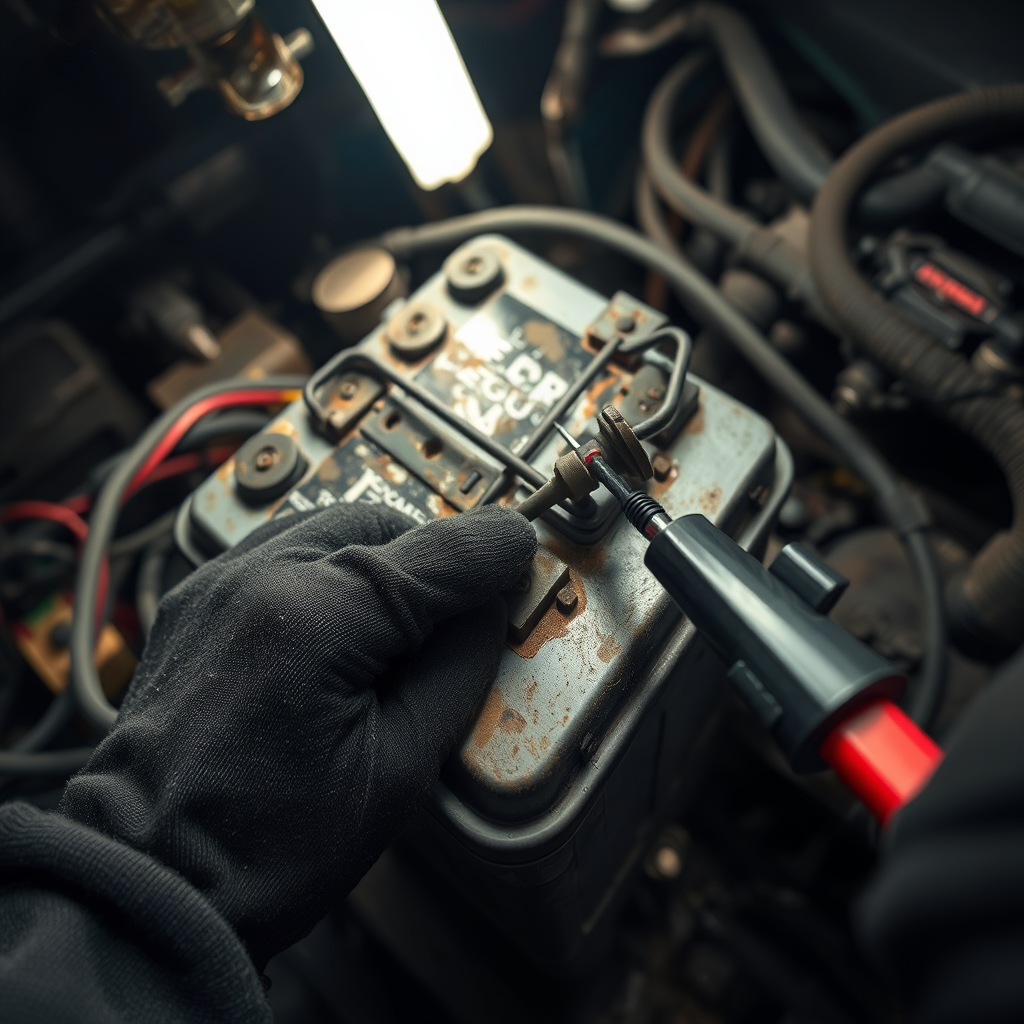
Introduction to EV Battery Market Trends
The electric vehicle (EV) battery market is currently navigating a complex landscape, influenced by fluctuating global events and evolving consumer demands. Understanding the current state of the EV battery market is crucial for stakeholders, including manufacturers, investors, and consumers. In recent years, the car battery segment has seen significant advancements, driven by the increasing demand for sustainable transportation solutions. However, this demand is juxtaposed with the challenges posed by geopolitical tensions, such as the Iran war, which have ripple effects across the industry.
The automotive sector is experiencing a noteworthy shift, with truck battery technologies also gaining traction as heavy-duty vehicles transition towards electrification. A comprehensive overview of the EV battery market reveals that while technological advancements continue to improve battery lifespan and performance, market growth is partially hindered by economic uncertainties and a weak electric vehicle market. For instance, the decline in consumer confidence and purchasing power has slowed the adoption of EVs, impacting the demand for the best battery solutions.
Understanding market trends is paramount for stakeholders aiming to navigate these challenges effectively. For manufacturers, staying ahead of trends such as battery maintenance innovations is key to maintaining competitiveness. Investors, on the other hand, need to identify opportunities amidst these market fluctuations, particularly in sectors like defense where EV technologies are being repurposed. Consumers benefit from this knowledge by making informed decisions about their vehicle purchases, ensuring they choose models that offer optimal battery lifespan and efficiency.
To capitalize on these trends, stakeholders should focus on continuous research and development, aligning their strategies with market demands. For instance, diversifying product lines to include both car and truck battery solutions can help mitigate risks associated with market volatility. Additionally, keeping abreast of global events and their potential impact on supply chains and production can provide a competitive edge. By leveraging these insights, stakeholders can make strategic decisions that contribute to sustainable growth in the dynamic EV battery market.
Rising Electric Vehicle Battery Demand
The surge in electric vehicle (EV) battery demand has been significantly influenced by several critical factors. First and foremost, the global push towards sustainable energy solutions has been a pivotal driver. As environmental concerns escalate, consumers and manufacturers alike are gravitating towards electric vehicles, recognizing them as a cleaner alternative to combustion engines. This shift in preference is closely tied to the advancements in car battery technology, which have made EVs more accessible and efficient.
Government regulations also play a crucial role in this landscape. Many countries are implementing stringent emission norms and offering substantial incentives to promote electric vehicle adoption. For instance, tax benefits, rebates, and subsidies on EV purchases make them a more appealing choice for consumers, further fueling the demand for the best batteries in the market. In regions where these regulations are more aggressive, the demand for both car and truck batteries tailored for electric powertrains is particularly evident.
Consumer preferences are evolving alongside these regulatory changes. With an increasing number of individuals prioritizing sustainability and cost-efficiency, the focus on battery lifespan and battery maintenance has become more pronounced. Consumers are now more informed about the importance of choosing the right battery, not only for performance but also for longevity. Consequently, manufacturers are investing in research and development to produce batteries that meet these expectations, thereby enhancing the appeal of electric vehicles.
For automotive enthusiasts and potential EV buyers, understanding these dynamics can be crucial. Here are some actionable tips to navigate this landscape:
- Stay informed about government incentives in your region to maximize savings on your EV purchase.
- Regularly maintain your EV battery to ensure optimal performance and extend its lifespan.
- Research and compare different battery options to find the best battery that suits your driving needs and environmental goals.
Overall, the rising demand for EV batteries is a multifaceted phenomenon driven by technological advancements, regulatory frameworks, and evolving consumer preferences. By staying informed and proactive, automotive enthusiasts can make the most of this electrifying transition.
Lithium-Ion Battery Technology Advancements
Lithium-ion battery technology has been at the forefront of the electric vehicle (EV) revolution, continuously evolving to meet the increasing demands for efficiency and sustainability. Recent innovations in lithium-ion batteries have significantly enhanced car battery performance, making them a popular choice for both passenger vehicles and trucks. These advancements are crucial, especially in a market where the demand for the best battery options is high.
One of the most notable recent innovations is the development of silicon anode materials, which promise to increase the energy capacity of batteries. This advancement allows car batteries to hold a charge longer, effectively extending their lifespan and reducing the need for frequent charging. As a result, drivers can enjoy longer trips with fewer interruptions, a critical factor for both personal vehicles and truck batteries used in logistics.
Moreover, the role of lithium-ion technology in enhancing EV battery performance cannot be overstated. With improvements in electrolyte composition and battery management systems, these batteries are now more reliable and efficient. Enhanced thermal management systems have been integrated into modern car battery designs to improve safety and prevent overheating, which is essential for maintaining battery health over time. This innovation is particularly beneficial for truck batteries that often operate in harsher conditions.
To maximize the benefits of these advancements, it is essential for users to engage in regular battery maintenance. Keeping the battery clean, monitoring charge levels, and avoiding extreme temperatures can significantly prolong battery lifespan. Here’s a quick checklist for battery maintenance:
- Regularly check battery terminals for corrosion.
- Maintain optimal charge levels, avoiding deep discharges.
- Store the vehicle in a temperature-controlled environment when possible.
- Schedule routine inspections with a professional.
As the landscape of battery technology continues to evolve, staying informed about the latest advancements will ensure that you choose the best battery for your needs. Whether you’re considering an upgrade for your car or evaluating options for a reliable truck battery, understanding these innovations can help you make informed decisions that enhance performance and longevity.
Automotive and Truck Battery Innovations
The automotive and truck battery sectors are witnessing groundbreaking innovations that are reshaping the landscape of energy storage solutions. At the forefront of these changes is the quest to develop the best battery technology that not only enhances performance but also extends the battery lifespan.
One of the key innovations in automotive and truck battery technologies is the development of solid-state batteries. These batteries promise to deliver higher energy densities and improved safety compared to traditional lithium-ion batteries. For instance, solid-state batteries eliminate the flammable liquid electrolytes found in conventional batteries, reducing the risk of fire and improving overall battery maintenance. This advancement is particularly crucial for car battery improvements aimed at electric vehicles, where safety and efficiency are paramount.
Another significant advancement is the introduction of fast-charging capabilities. With the demand for quick and convenient charging solutions, manufacturers are focusing on developing batteries that can charge in a fraction of the time it takes today. This not only enhances the user experience but also addresses range anxiety, making electric vehicles more appealing to a broader audience. Fast-charging technology has substantial implications for the truck battery market as well, where downtime can significantly impact logistics and productivity.
These advancements are influencing the market by driving competition among manufacturers to offer superior products that appeal to eco-conscious consumers and businesses looking to optimize their fleet operations. The integration of smart technology in battery systems is another innovative leap, enabling real-time monitoring and predictive maintenance. This technology empowers vehicle owners with insights into their battery maintenance needs, helping to prevent unexpected breakdowns and extend the overall battery lifespan.
For consumers and businesses aiming to leverage these innovations, it is essential to stay informed about the latest developments and invest in technologies that align with their specific needs. Whether it’s choosing a car battery with fast-charging capabilities or a durable truck battery for long haul operations, these advancements offer practical benefits that can lead to cost savings and enhanced performance.
Challenges Facing EV Battery Startups
In the ever-evolving automotive industry, electric vehicle (EV) battery startups encounter numerous challenges as they strive to carve out a niche in a competitive market. One of the primary hurdles for new entrants in the EV battery market is the high cost of research and development. Creating a car battery with optimal performance, longevity, and safety requires significant investment in cutting-edge technology and skilled personnel. Moreover, maintaining a competitive edge necessitates continuous innovation, which can strain the financial resources of emerging companies.
Another challenge is the regulatory landscape, which can be daunting for startups. Compliance with stringent safety and environmental standards is essential, yet navigating these regulations without a well-established network or expertise can be overwhelming. For instance, startups must ensure their products meet varying global standards, which adds layers of complexity to the manufacturing and distribution processes.
To overcome these challenges, many startups are adopting innovative strategies. A prevalent approach is forming strategic partnerships with established automotive manufacturers. By collaborating with industry giants, startups gain access to crucial resources, including advanced testing facilities and distribution networks, which can significantly reduce time-to-market for their products. Additionally, partnerships can aid in the refinement of truck battery technologies, potentially positioning them as the best battery option for heavy-duty applications.
Another strategy involves focusing on niche markets where competition is less fierce. Startups are increasingly targeting specific sectors such as marine or aerospace applications, where the unique demands can drive specialized battery development. This approach not only diversifies revenue streams but also enhances expertise in battery maintenance and prolongs battery lifespan, building a reputation for reliability and innovation.
**Actionable Tips for EV Battery Startups:**
– **Invest in R&D:** Allocate resources to research and development to stay ahead of technological advancements.
– **Build Partnerships:** Collaborate with established manufacturers to leverage their expertise and resources.
– **Focus on Niche Markets:** Identify and target specific markets to reduce competition and increase specialization.
By implementing these strategies, EV battery startups can navigate the challenging landscape and secure a foothold in the burgeoning electric vehicle industry.
Impact of Geopolitical Tensions on EVs
The global political landscape plays a pivotal role in shaping the supply chain dynamics of electric vehicle (EV) batteries. In particular, geopolitical tensions can significantly disrupt the car battery supply chain, leading to potential shortages and price fluctuations. For instance, the ongoing Iran war has heightened uncertainties about the availability of essential raw materials like lithium and cobalt, which are crucial for producing the best battery for EVs. As countries impose sanctions or experience trade restrictions, the challenge of sourcing these materials becomes more pronounced, leading to increased costs and delays in battery production.
Moreover, geopolitical tensions can also impact the availability and cost of truck batteries. With many commercial and military vehicles relying on robust truck batteries, any disruption in the supply can lead to increased competition for resources, driving prices up. For businesses and consumers alike, this translates into higher expenses and the need for strategic planning in battery maintenance to maximize battery lifespan. One practical example is the need for companies to diversify their supply chains, sourcing materials from multiple countries to mitigate risks associated with geopolitical instability.
To navigate these challenges, automotive manufacturers and consumers can take proactive steps. Here are a few actionable tips:
- Diversify Suppliers: Partner with multiple suppliers across different regions to minimize the risk of disruptions.
- Invest in Battery Maintenance: Regularly check and maintain batteries to extend their lifespan, thereby reducing the frequency of replacements.
- Monitor Market Trends: Stay updated on geopolitical developments that could affect battery availability and cost.
Additionally, an FAQ section addressing common concerns about the impact of geopolitical tensions on battery availability can be beneficial:
| Question | Answer |
|---|---|
| How can geopolitical tensions affect my car battery? | They can lead to shortages and increased prices due to disrupted supply chains. |
| What can I do to ensure my truck battery lasts longer? | Engage in regular battery maintenance and consider using high-quality batteries. |
By understanding the broader implications of geopolitical tensions, both manufacturers and consumers can better prepare and adapt to changing market conditions, ensuring sustained access to essential battery technologies.
Battery Supply Chain Issues
The current supply chain challenges in the EV battery sector have become a critical concern for manufacturers and consumers alike. Disruptions due to geopolitical tensions, such as the ongoing Iran war, have exacerbated these issues, making it increasingly difficult to source essential materials required for car battery production. The scarcity of lithium, cobalt, and nickel, crucial components for both car and truck batteries, has led to increased costs and longer lead times. As a result, manufacturers are struggling to maintain the production levels necessary to meet the growing demand for electric vehicles.
Potential solutions and industry responses to these supply chain challenges are emerging as companies seek to innovate and adapt. One approach is the development of alternative battery technologies that rely less on scarce materials. For instance, sodium-ion batteries are being explored as a viable substitute to the traditional lithium-ion batteries, potentially offering a more sustainable and cost-effective solution. Additionally, manufacturers are investing in battery recycling initiatives to recover valuable materials from used batteries, thereby extending battery lifespan and improving battery maintenance practices.
Industry responses also include the localization of supply chains to reduce dependency on foreign materials. By establishing local mines and processing facilities, manufacturers can ensure a steady supply of essential components, thus mitigating the risks associated with international supply chain disruptions. Furthermore, companies are increasingly collaborating with technology firms to enhance battery performance and longevity, striving to produce the best battery solutions for both automotive and defense applications.
For consumers, understanding these supply chain dynamics is crucial when selecting the right battery for their needs. Whether opting for a car battery or a truck battery, buyers should consider the battery’s origin, composition, and manufacturer’s commitment to sustainability. By staying informed and choosing products that prioritize high-quality materials and robust battery maintenance, consumers can contribute to a more resilient and sustainable battery market.
Defense Industry Battery Applications
In recent times, the defense sector has recognized the transformative potential of electric vehicle (EV) batteries, leading to emerging applications that are reshaping military operations. With the pivot of an EV battery startup to the defense industry amid geopolitical tensions and a sluggish electric vehicle market, the strategic importance of battery technology has never been more pronounced.
One of the most promising emerging applications of car batteries in the defense sector is in unmanned aerial vehicles (UAVs) and autonomous ground vehicles. These platforms require reliable and efficient power sources, and the advanced technology found in the best battery systems offers both longevity and power efficiency. For instance, a high-capacity truck battery can enhance the operational range of UAVs, making them invaluable for reconnaissance missions. Furthermore, the lightweight nature of these batteries contributes to the overall agility and efficiency of autonomous vehicles, providing a tactical advantage on the battlefield.
The strategic importance of battery technology in defense cannot be overstated. As military operations increasingly rely on advanced technology, the demand for energy-efficient and resilient power sources becomes critical. A robust battery maintenance program is essential to ensure these systems are always ready to deploy. The longevity, or battery lifespan, is a critical factor in mission success, as it determines how long equipment can remain operational without requiring a recharge. By utilizing cutting-edge car battery technologies, the defense sector can enhance the reliability of communication systems, radar installations, and even portable medical units deployed in the field.
For those involved in the automotive sector, understanding how these innovations translate back to consumer applications is crucial. Continuous advancements in defense battery technology often lead to improvements in consumer-grade car and truck batteries, providing longer battery lifespan and better performance. By keeping abreast of these developments, automotive professionals can ensure they offer the best battery solutions to their customers.
In conclusion, the intersection of EV battery technology and defense applications presents unprecedented opportunities for innovation, underscoring the need for ongoing research and development. This synergy not only enhances military capabilities but also drives advancements in commercial automotive batteries, benefiting consumers and industries alike.
Battery Recycling in EVs and Its Importance
As the electric vehicle (EV) market continues to evolve, the issue of battery recycling has become increasingly significant. Current practices in battery recycling are designed to manage the growing number of used batteries from EVs, which include both car batteries and truck batteries. Companies are now implementing advanced technologies to efficiently recycle these batteries, thus extending their battery lifespan and reducing environmental impact.
One of the main practices in battery recycling involves extracting valuable materials such as lithium, cobalt, and nickel. These materials are then reused to manufacture new batteries, essentially creating a sustainable loop. This process not only aids in reducing the need for new raw materials but also minimizes waste. For instance, Tesla’s closed-loop battery recycling program highlights the future prospects for battery recycling, aiming to recover over 90% of battery materials.
The environmental and economic benefits of recycling EV batteries are immense. Environmentally, recycling reduces the risk of toxic materials leaching into the soil and water, thus protecting ecosystems. Economically, the reuse of materials from recycled car batteries and truck batteries can lower production costs for manufacturers, potentially leading to more affordable EVs for consumers.
Moreover, battery maintenance is crucial to prolonging battery lifespan, ensuring that batteries remain efficient until they are ready to be recycled. Best practices in battery maintenance include regular charging and discharging cycles and avoiding extreme temperatures, which can be particularly beneficial for both car and truck battery longevity.
For those looking to adopt the best battery practices, here are some actionable tips: conduct regular checks on your vehicle’s battery health, recycle batteries responsibly, and stay informed about the latest recycling technologies. These steps can contribute significantly to both personal savings and environmental conservation.
In summary, the integration of robust battery recycling practices offers a promising solution to the challenges posed by the growing number of EVs. By focusing on recycling, we can ensure a sustainable future for the automotive industry while reaping significant environmental and economic benefits.
Future of Electric Vehicle Batteries
The landscape of electric vehicle (EV) batteries is on the brink of significant transformation. As we look to the future, several predictions offer a glimpse into how EV battery technology might evolve, subsequently reshaping the automotive market. A key advancement expected is the increased energy density of car batteries. This will not only extend the range of electric vehicles but also reduce the overall weight, contributing to better vehicle efficiency.
With the main_keyword, car battery, at the center of this evolution, advancements are likely to focus on faster charging times and improved battery lifespan. Imagine a car battery that can charge in under ten minutes, making EVs more convenient than their gasoline counterparts. This rapid charging capability is not just a dream but a tangible goal for many companies investing in battery research.
Furthermore, the evolution of EV battery technology will inevitably influence the market landscape. As production costs decrease, we can expect electric vehicles to become more affordable, making them accessible to a broader audience. This shift might also affect industries reliant on traditional fuel-powered vehicles, such as the trucking sector. Here, secondary_keywords like truck battery become crucial. The development of robust truck batteries with longer battery lifespan will be essential to meet the demands of long-haul transportation.
Additionally, the best battery technologies will likely incorporate advanced battery maintenance systems, ensuring optimal performance and longevity. For instance, smart battery management systems could become a standard feature, providing real-time feedback to drivers and fleet managers about the health and performance of the battery.
To prepare for these changes, automotive businesses and consumers alike should stay informed about the latest technology trends and advancements. Here’s a quick checklist to help you stay ahead:
- Keep an eye on the latest research and development in car battery technology.
- Consider investing in vehicles equipped with cutting-edge battery technology.
- Explore options for battery maintenance to extend the life of your vehicle’s battery.
The future of EV batteries promises a dynamic shift in how we approach automotive energy solutions. Embracing these changes proactively will position you strategically in the evolving market.
Battery Storage Solutions and Renewable Energy
The integration of car batteries with renewable energy systems is increasingly becoming a pivotal component in the transition towards sustainable energy. As electric vehicle (EV) technology evolves, the capacity and efficiency of car batteries have improved significantly, making them highly suitable for renewable energy applications. For instance, integrating a car battery with solar panels can create a reliable and efficient energy storage system for homes and businesses. This not only enhances the utility of renewable energy sources but also ensures a consistent power supply during outages or periods of low sunlight. Furthermore, EV startups pivoting towards defense industries highlight the versatility of these batteries in various sectors, including national security where reliable energy storage is crucial.
Beyond personal vehicles, truck batteries are also finding their place in large-scale energy storage solutions. The potential for these batteries to enhance energy storage and grid stability cannot be overstated. Truck batteries, known for their durability and larger capacity, can be integrated into grid systems to store excess energy generated during peak production times. This stored energy can then be released during high-demand periods, ensuring grid stability and reducing reliance on non-renewable energy sources. For example, a fleet of electric trucks equipped with the best battery technology could serve as mobile energy storage units, strategically positioned to supply power where it’s needed most.
To maximize battery lifespan and ensure optimal performance, regular battery maintenance is essential. This includes keeping the battery clean, ensuring proper charging practices, and monitoring for any signs of wear or damage. By implementing these maintenance practices, both car and truck batteries can provide reliable service for years, further enhancing their role in renewable energy integration.
For those considering battery storage solutions, here are some actionable tips:
- Regularly check battery connections and clean terminals to prevent corrosion.
- Store batteries in a cool, dry place to avoid temperature-related degradation.
- Use compatible charging equipment to ensure efficient charging cycles.
By following these guidelines, you can ensure that your battery investment not only supports your energy needs but also contributes to a more sustainable future.
Conclusion
The current landscape of the EV battery market is undergoing significant transformation, driven by geopolitical tensions and a slower-than-expected adoption rate of electric vehicles. This shifting terrain presents both challenges and opportunities for industry players, particularly those involved in car battery and truck battery manufacturing. One of the key trends observed in recent months is the pivot of certain EV battery startups towards the defense sector. This strategic move is largely influenced by the increasing demand for robust and reliable energy solutions amid global uncertainties, such as the ongoing conflict involving Iran.
Another crucial trend is the heightened importance of battery maintenance and extending battery lifespan. As consumers and industries alike seek the best battery solutions, companies that prioritize research and development in these areas will likely gain a competitive edge. For instance, innovations in battery chemistry and the development of more efficient recycling processes are critical steps towards achieving sustainability and cost-effectiveness in battery production.
Looking ahead, navigating the complex landscape of the EV battery market requires a keen understanding of emerging trends and proactive adaptation to shifting demands. Companies must not only focus on creating the best battery products but also embrace sustainable practices to meet regulatory requirements and consumer expectations. Additionally, maintaining a diverse product portfolio that includes both car batteries and truck batteries can help companies mitigate risks associated with market volatility.
To successfully manage future challenges, businesses should consider investing in advanced battery management systems that enhance efficiency and safety. These systems can play a pivotal role in prolonging battery lifespan and ensuring optimal performance. Furthermore, fostering strategic partnerships with stakeholders across the supply chain can provide valuable insights and resources that drive innovation.
In conclusion, while the EV battery market faces significant hurdles, it also presents substantial opportunities for growth and advancement. By staying agile and informed, companies can not only survive but thrive in this rapidly evolving industry landscape.