
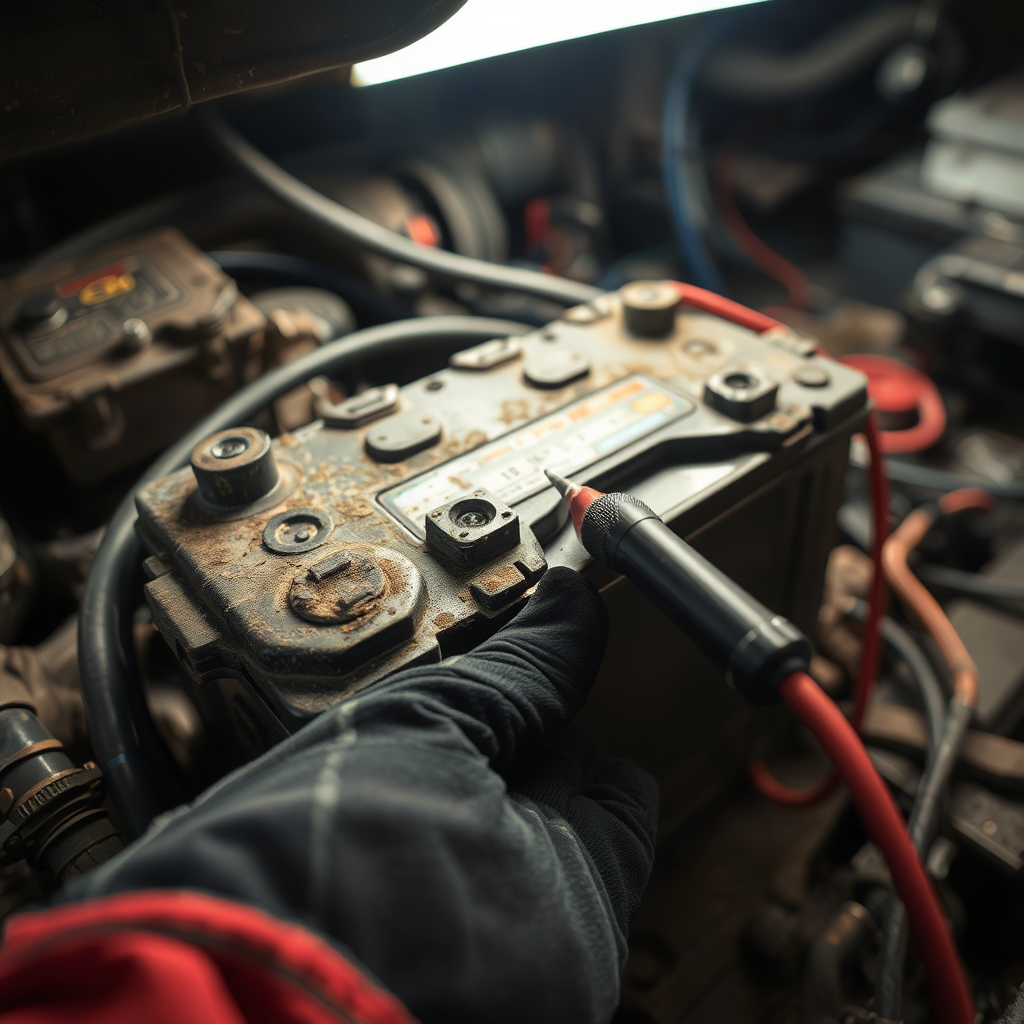
Introduction to the Electric Vehicle Battery Recycling Market
The electric vehicle (EV) battery recycling market is gaining unprecedented attention as the automotive industry shifts towards sustainable practices. With the rising adoption of electric vehicles, the need for efficient car battery recycling has become crucial. The growing importance of EV battery recycling cannot be overstated. It addresses environmental concerns, reduces the demand for raw materials, and supports the circular economy by reprocessing valuable materials like lithium, cobalt, and nickel.
Overview of the Growing Importance of EV Battery Recycling
As the number of electric vehicles on roads increases, so does the volume of used car batteries that need proper disposal or recycling. Unlike a traditional truck battery, which can often be refurbished or maintained easily, EV batteries pose unique challenges due to their complex chemistry and size. Recycling these batteries not only prevents hazardous waste but also recovers materials that can be used to manufacture the best battery options for future vehicles. This process significantly reduces the environmental impact, helping to lower the carbon footprint associated with battery production.
Current Trends and Projections in the EV Battery Recycling Market
Recent trends in the EV battery recycling market indicate a robust growth trajectory. The market is projected to expand as governments implement stringent regulations to encourage battery recycling and promote battery maintenance. Innovations in recycling technologies have improved the battery lifespan, making recycling more efficient and cost-effective. For instance, companies are developing advanced methods to extract higher yields of precious metals, which are critical for manufacturing new batteries.
Moreover, there is a growing collaboration between automakers and recycling firms to establish closed-loop systems that ensure continuous supply chain efficiency. These partnerships are key to meeting the increasing demand for sustainable solutions and to provide consumers with eco-friendly products. As part of an actionable strategy, automotive companies are advised to engage with certified recycling networks and invest in research and development to enhance recycling processes.
In conclusion, the electric vehicle battery recycling market is not just an emerging trend but a necessary evolution in the automotive industry. By understanding and participating in this market, stakeholders can significantly contribute to a more sustainable future while capitalizing on the economic opportunities it presents.
Understanding the Battery Life Cycle and End-of-Life Management
The **battery life cycle** is a critical aspect of a car battery’s journey, encompassing its creation, usage, and eventual disposal or recycling. This cycle begins with the manufacturing phase, where raw materials are transformed into a working battery. As consumers, understanding this life cycle is crucial, especially when considering factors like **battery maintenance** and **battery lifespan**. The life cycle is straightforward: it starts from mining raw materials like lithium and cobalt, proceeds through the manufacturing and assembly process, and then enters the usage phase when it powers vehicles. Finally, it reaches the end-of-life phase, where responsible management is essential to mitigate environmental impacts.
**Challenges and opportunities in end-of-life battery management** are significant, given the increasing demand for electric vehicles (EVs). A primary challenge is the safe disposal or recycling of these batteries, which contain hazardous materials. However, this challenge also presents opportunities. For instance, some companies are innovating recycling processes to extract valuable materials like lithium and cobalt, which can then be reused in new batteries. This not only reduces environmental impact but also decreases reliance on mining, making the process more sustainable.
For car and truck owners, understanding these challenges offers a practical edge. Opting for the **best battery** involves considering its entire life cycle, including how it will be disposed of or recycled. Many are turning to **battery maintenance** practices to extend the life of their batteries, such as regular checks and proper charging techniques. Moreover, engaging with certified recycling programs ensures that once a battery reaches its end-of-life, it is handled responsibly.
**Actionable Tips:**
– **Regular Maintenance:** Extend your car battery’s lifespan through regular maintenance checks.
– **Recycling Programs:** Participate in certified recycling programs to ensure responsible disposal.
– **Educate Yourself:** Stay informed about the latest in battery technology and recycling advancements.
In conclusion, the battery life cycle and end-of-life management are pivotal in the automotive industry, presenting both challenges and opportunities. By understanding and acting upon these aspects, consumers can make informed decisions that benefit both their vehicles and the environment.
Key Players in the EV Battery Recycling Market
The electric vehicle (EV) battery recycling market is witnessing a transformative era, with several key players spearheading groundbreaking initiatives. As the automotive industry pivots towards sustainable practices, understanding the landscape of leading battery recycling companies becomes crucial. These companies are not only setting benchmarks for innovative recycling infrastructure but also enhancing the overall battery lifespan through efficient processes.
One of the pioneering companies in this domain is Li-Cycle, known for its cutting-edge recycling technology that maximizes the recovery of valuable materials from used car batteries. Their innovative approach involves a ‘spoke and hub’ strategy that efficiently processes spent batteries, ensuring minimal environmental impact while boosting the supply of critical materials necessary for manufacturing new batteries. This methodology not only aids in optimizing battery maintenance but also extends the lifecycle of recycled materials into new applications.
Another significant player is Redwood Materials, a company founded by a former Tesla executive. Redwood focuses on closing the loop of sustainability by developing an extensive recycling infrastructure for EVs. Their facilities are designed to process both car and truck batteries, extracting key elements such as lithium, cobalt, and nickel. This innovative recycling infrastructure is being developed with an emphasis on reducing the dependency on mining new materials, which in turn, enhances the battery lifespan of newly manufactured units.
For automotive enthusiasts and industry stakeholders, the advancements in EV battery recycling present actionable insights. To ensure the best battery performance, it is advisable to stay informed about the recycling capabilities of different service providers. Consider companies that have a proven track record in recycling both car and truck batteries effectively. Furthermore, regular battery maintenance and opting for recycling services that contribute to the circular economy can significantly extend the utility of your vehicle’s power source.
By aligning with these key players and leveraging their innovative recycling solutions, automotive stakeholders can ensure a robust supply of high-quality recycled materials, ultimately leading to more sustainable battery production and usage.
Technological Advances in Recycled Lithium Batteries
As the electric vehicle (EV) market continues to surge, the focus on sustainable practices, particularly in car battery recycling, has never been more crucial. Current technologies used in recycling lithium batteries are paving the way for a more environmentally friendly and cost-effective approach to powering EVs. One of the forefront innovations in this field is hydrometallurgical processing. This method uses aqueous solutions to efficiently extract precious metals like lithium, cobalt, and nickel from spent batteries, significantly reducing the environmental impact compared to traditional pyrometallurgical processes.
Moreover, direct recycling processes are gaining traction. These processes aim to recover and reuse the active materials in lithium batteries without the need for breaking them down to elemental metals. This not only conserves energy but also maintains the integrity of materials, making them suitable for use in the best battery variants for both cars and trucks.
Using recycled lithium batteries in new EVs offers multiple benefits, significantly improving battery lifespan and reducing production costs. Recycled batteries help mitigate the depletion of limited raw materials, ultimately fostering a circular economy in the automotive sector. For instance, companies like Redwood Materials are advancing battery maintenance and recycling protocols to ensure that the longevity of recycled batteries meets the high standards expected in modern electric vehicles.
Truck battery applications also stand to gain from these advances, as recycled materials can reduce the economic burden on manufacturers and consumers alike. The environmental benefits are equally compelling, minimizing landfill waste and decreasing the carbon footprint associated with battery production.
For those in the automotive industry looking to stay ahead, exploring partnerships with recycling innovators and investing in sustainable battery solutions is key. Ensuring proper battery maintenance through regular checks and utilizing recycled options can extend battery lifespan, making a substantial difference in the long-term sustainability of both cars and trucks.
FAQ: How can I ensure my car battery is sustainable? Consider opting for vehicles that use recycled lithium batteries and engage in regular maintenance to maximize battery lifespan.
Environmental Impact and Benefits of Battery Recycling
As the automotive industry increasingly shifts towards electric vehicles (EVs), the environmental impact of car battery recycling becomes a crucial topic. The recycling of EV batteries, including those used in truck batteries, plays a significant role in reducing the ecological footprint left by the automotive sector. The process of recycling helps mitigate the adverse effects of mining raw materials, such as lithium and cobalt, which are essential for manufacturing new batteries. By recycling these components, we can decrease pollution and minimize environmental degradation.
Battery recycling directly contributes to the sustainability of automotive batteries. It extends the battery lifespan by providing materials that can be reused in the production of new batteries. This recycling process is key to achieving a circular economy in the automotive industry, where resources are used efficiently and waste is minimized. By focusing on battery maintenance and recycling, manufacturers can reduce the costs associated with producing new batteries and offer the best battery solutions to consumers.
For car and truck owners, understanding the importance of recycling their vehicle’s battery can lead to more sustainable practices. When batteries are responsibly recycled, it prevents hazardous materials from ending up in landfills, where they can cause significant environmental harm. Moreover, recycling supports the development of better, more efficient battery technologies that enhance the overall performance and sustainability of electric vehicles.
Here are some actionable tips to ensure effective battery recycling:
- Locate a certified recycling center or facility that specializes in car battery recycling.
- Ensure your battery is properly stored and transported to avoid leaks and damage.
- Regularly check your battery’s health and lifespan to determine the best time for recycling.
By integrating recycling into battery maintenance routines, individuals and businesses can play a pivotal role in fostering a sustainable automotive future. Whether you’re dealing with a truck battery or seeking the best battery for your vehicle, recycling is a responsible choice that benefits both the environment and the economy.
Challenges and Future Outlook of the EV Battery Recycling Market
The electric vehicle (EV) battery recycling market is facing several challenges that impact sustainable battery disposal and recycling. One of the primary challenges is the complex composition of car batteries, which includes a mixture of metals such as lithium, cobalt, and nickel. These materials require sophisticated processes to extract and recycle efficiently, posing a significant hurdle for recycling facilities. Additionally, the sheer volume of batteries predicted to reach the end of their lifespan in the coming years demands scalable recycling solutions. For example, the anticipated influx of truck batteries, which are typically larger and heavier than standard car batteries, will further strain existing recycling infrastructures.
Another critical challenge is the economic viability of battery recycling. The cost of recycling processes must be competitive with the extraction of virgin materials to be financially sustainable. Manufacturers and recycling companies need to innovate to reduce costs and improve the economic feasibility of recycling operations. For instance, adopting advanced technologies that enhance the efficiency of recycling processes can be a game-changer. Additionally, government incentives and regulations could play a pivotal role in encouraging investment in recycling infrastructure.
Looking towards the future, the battery recycling sector holds significant potential for development. One promising future development is the integration of automated systems and AI-driven technologies to improve the sorting and disassembly of used batteries. This could dramatically enhance the speed and accuracy of recycling operations, making the process more efficient and cost-effective. Moreover, the development of new recycling methods that extend the battery lifespan and improve battery maintenance can lead to the creation of the best battery recycling practices.
To navigate these challenges and seize future opportunities, stakeholders in the EV battery recycling market must collaborate closely. Sharing expertise and fostering innovation will be key to overcoming current obstacles and achieving a more sustainable and economically viable battery recycling ecosystem. By prioritizing the advancement of recycling technologies and supporting policies that incentivize sustainable practices, the industry can ensure a greener future for both car and truck batteries.
Conclusion
As the world continues to pivot towards electric vehicles (EVs), the car battery recycling market emerges as a cornerstone of this transformation. This industry is not just essential for managing waste but is also instrumental in recovering valuable materials, thereby reducing the demand for newly mined resources. This process significantly impacts the battery lifespan and maintenance practices, ensuring that the transition to electric mobility remains sustainable and economically viable.
In the coming years, the importance of EV battery recycling will become even more pronounced. As the number of electric vehicles on our roads increases, so too will the volume of end-of-life batteries. The recycling market will need to adapt by developing more efficient and environmentally friendly methods to reclaim materials such as lithium, cobalt, and nickel. This will not only help in meeting the rising demand for these materials but also in promoting a circular economy where the best battery practices are adhered to.
Looking ahead, the future of battery material recovery is promising, with ongoing research and innovation driving advancements in recycling technologies. For instance, new methods are being developed to improve the efficiency of recovering materials from both car batteries and larger truck batteries. These advancements are key to extending the battery lifespan and enhancing battery maintenance protocols.
For businesses and consumers alike, understanding the nuances of battery recycling is crucial. Here are some actionable tips to engage with this vital market:
- Stay informed about the recycling programs available in your area for both car and truck batteries.
- Consider the environmental impact when choosing the best battery for your vehicle, prioritizing those with a proven track record of recyclability.
- Support companies that invest in sustainable battery practices and contribute to the ongoing development of recycling technologies.
In conclusion, the EV battery recycling market is set to play a pivotal role in shaping the future of transportation. By embracing sustainable practices and innovative recovery techniques, we can ensure a cleaner and more efficient automotive landscape for generations to come.