
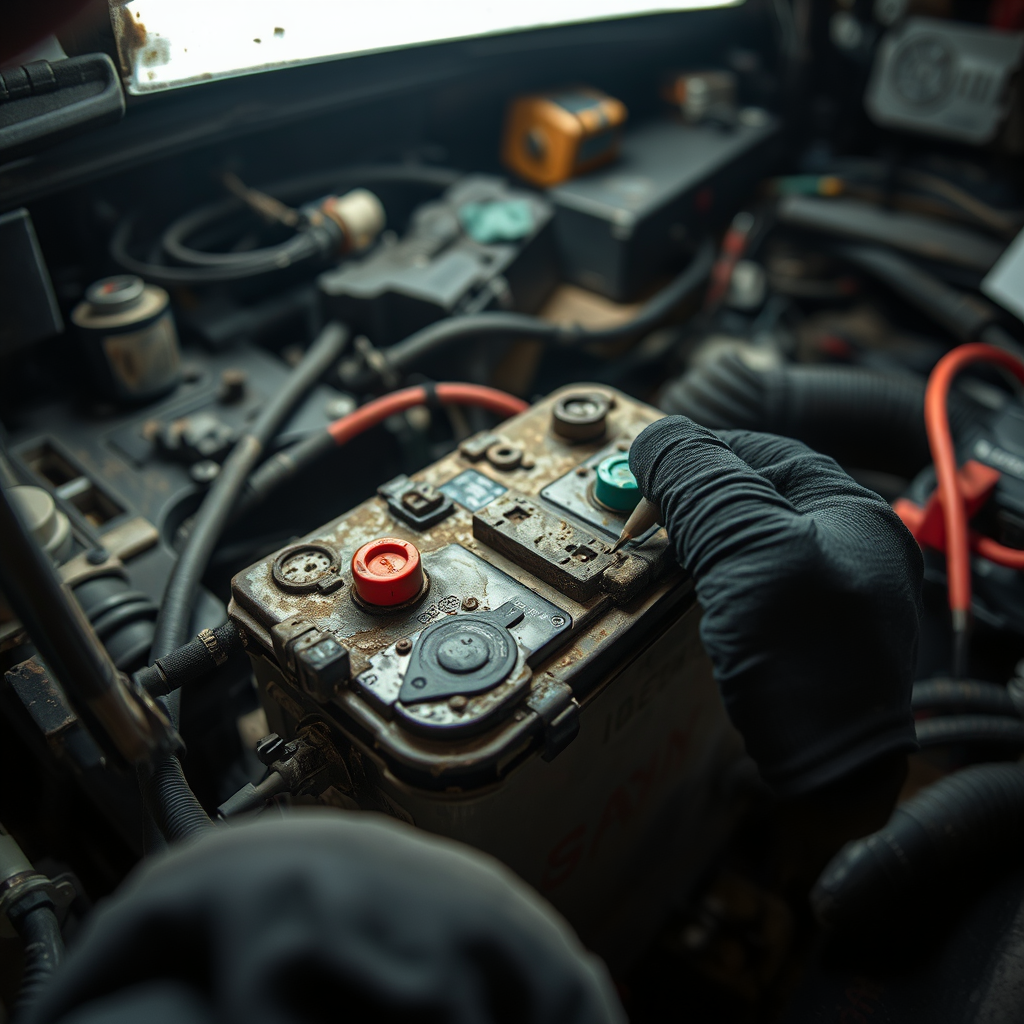
Introduction to Sodium Car Batteries
As the automotive industry evolves, the quest for sustainable and efficient energy storage solutions becomes more pressing. Sodium car batteries are emerging as a promising alternative to the traditional lithium-ion batteries, which have long dominated the market. This innovative technology is gaining traction, especially in regions like China, where manufacturers are increasingly investing in sodium-based solutions to address both environmental and material scarcity concerns.
Overview of Sodium Car Batteries
Sodium car batteries represent a significant shift in how we think about energy storage for vehicles. Unlike lithium-ion batteries, which rely on scarce and often environmentally damaging materials like cobalt and lithium, sodium batteries utilize more abundant and less expensive sodium salts. This shift not only reduces the dependency on critical minerals but also lowers production costs, making it an appealing option for mass production in both car and truck battery markets.
For instance, a typical sodium car battery can be produced using materials that are far more readily available, thereby minimizing the ecological footprint associated with battery manufacturing. The implications of this are profound, as it paves the way for more sustainable automotive innovations without compromising on performance. While some might argue that the best battery for longevity and power still lies with lithium-ion, sodium batteries are proving to be a viable contender, especially in situations where cost and environmental impact take precedence.
Importance of Exploring Alternative Battery Materials
The exploration of alternative battery materials such as sodium is crucial for the future of the automotive industry. As global demand for electric vehicles surges, so does the need for more sustainable battery solutions. Sodium batteries not only offer an eco-friendly alternative but also promise longer battery lifespan and reduced maintenance costs due to their inherent chemical stability.
Automotive manufacturers can benefit significantly from integrating sodium batteries into their lineup, particularly in terms of battery maintenance and reducing overall production costs. For example, a sodium truck battery could potentially offer a longer service life under harsh conditions, appealing to industries reliant on heavy-duty vehicles.
By diversifying the materials used in battery production, the industry can mitigate supply chain risks associated with critical minerals and foster innovation that aligns with global sustainability goals. As such, sodium car batteries are not just an alternative; they could very well shape the future of automotive power solutions, ensuring both economic and environmental benefits.
Understanding Sodium-Ion Battery Technology
Sodium-ion battery technology is emerging as a promising alternative in the car battery industry, particularly as manufacturers seek sustainable solutions that move away from critical minerals. These batteries operate on a similar principle to the more traditional lithium-ion batteries, but there are key differences that make them stand out. In a sodium-ion battery, the energy storage process involves the movement of sodium ions between the anode and cathode during charging and discharging cycles. This process is facilitated by an electrolyte solution that allows for efficient ion transport.
One of the main differences between sodium-ion and lithium-ion batteries, which are commonly used as truck batteries, lies in the materials used. Sodium is more abundant and easier to extract than lithium, which results in lower production costs and reduced environmental impact. This makes sodium-ion batteries a potentially attractive option for automotive manufacturers looking for the best battery solutions that are both cost-effective and sustainable.
Key Differences: Sodium vs. Lithium Batteries
While both sodium and lithium batteries share a similar operational mechanism, their chemical compositions contribute to different performance characteristics. Sodium-ion batteries tend to offer better thermal stability, which can improve battery lifespan and reduce the need for frequent battery maintenance. This is particularly beneficial in climates with extreme temperatures, where the thermal management of car batteries can be challenging.
However, sodium-ion batteries currently have a lower energy density compared to their lithium counterparts. This means that, for now, they might not be the best battery choice for applications requiring high energy output, such as electric vehicles with long-range demands. Despite this, ongoing research is focused on enhancing the energy capacity of sodium-ion batteries, which could make them more competitive in the future.
To make an informed decision about the right type of battery for your vehicle, whether you’re considering a car battery or a truck battery, it’s important to weigh these factors carefully. Always consult with a battery specialist and consider your specific needs, such as the climate you operate in and your vehicle’s energy demands.
By understanding the nuances of sodium-ion battery technology, automotive enthusiasts and professionals can better navigate the evolving landscape of energy storage and make choices that align with both performance expectations and sustainability goals.
Sodium-Ion Truck Batteries: A New Frontier
Sodium-ion truck batteries are emerging as a promising alternative in the transportation sector, driven by the need to find sustainable and economically viable energy solutions. Unlike the traditional lithium-ion car battery, sodium-ion technology offers a compelling case for the future of truck batteries, especially as the industry seeks to reduce reliance on critical minerals such as lithium, cobalt, and nickel.
One of the primary advantages of sodium-ion truck batteries is their potential cost-effectiveness. Sodium is abundantly available, which significantly reduces the cost compared to lithium-based options. This can lead to cheaper production costs, thereby lowering the overall price of the best battery solutions available in the market. For fleet operators and logistics companies, this means a substantial reduction in operational costs, making sodium-ion truck batteries an attractive choice.
Moreover, sodium-ion batteries are known for their improved safety and environmental benefits. Unlike lithium, sodium does not pose the same fire risks, which enhances battery maintenance and safety protocols. This reduced risk factor not only ensures a longer battery lifespan but also minimizes the frequency of battery replacements, further adding to the cost-efficiency.
Practical examples of sodium-ion battery applications can be seen in various pilot programs across China, where companies are testing these batteries in different types of vehicles. For instance, logistics firms have reported smoother operations and reduced downtime due to the robust nature of sodium-ion batteries in harsh weather conditions, where traditional batteries might falter.
For those considering a switch to sodium-ion technology, it is crucial to assess the compatibility with existing vehicle systems. A simple checklist for truck operators might include evaluating the truck’s energy requirements, verifying the availability of compatible charging infrastructure, and consulting with battery manufacturers about the specific advantages of sodium-ion technology for their vehicle models.
In conclusion, as sodium-ion technology continues to evolve, it presents a new frontier for the truck battery industry. By embracing this innovation, the transportation sector can move towards more sustainable practices while enjoying the economic benefits that come with a shift away from critical minerals.
The Sodium Battery Market: Growth and Opportunities
The sodium battery market is witnessing significant growth, driven by the global shift towards sustainable energy solutions. As car battery technology evolves, sodium-based options are emerging as viable alternatives to lithium-ion batteries, which often rely on critical minerals. This transition is particularly evident in China, where manufacturers are investing heavily in developing sodium battery technologies.
Current state and future projections of the sodium battery market: Currently, the sodium battery market is in its nascent stages, but its prospects are promising. Industry experts predict a substantial increase in sodium battery production, as these batteries offer a cost-effective and environmentally friendly solution for the automotive industry. Sodium batteries are particularly appealing for electric vehicles, as they promise a longer battery lifespan without the environmental concerns associated with traditional lithium-ion batteries.
As the demand for car battery solutions that minimize ecological impact rises, sodium batteries are poised to become a mainstream option. Truck battery applications could also benefit from this technology, offering a sustainable alternative that provides reliable power and efficient battery maintenance. The global market is expected to witness a compound annual growth rate (CAGR) in the coming years, making sodium batteries a key player in the future of automotive energy solutions.
Key sodium battery manufacturers leading the industry: Several manufacturers are at the forefront of sodium battery innovation. Companies in China are leading the charge, with significant investments in research and development. These manufacturers are refining the technology to produce the best battery solutions for various applications, including both car and truck batteries. For instance, Chinese firms are exploring how to enhance battery lifespan and efficiency, which are critical factors for automotive consumers.
To capitalize on these opportunities, businesses can consider forming partnerships with leading sodium battery manufacturers or investing in research and development themselves. Staying informed about advancements in sodium battery technology and participating in industry conferences can also provide valuable insights and strategic advantages.
Sodium Battery Innovation: Advancements and Research
As the automotive industry continues its shift towards sustainable energy solutions, sodium battery innovation is emerging as a promising frontier. Recent advancements in sodium battery technology have shown significant potential in reducing reliance on critical minerals, making it a compelling alternative to traditional lithium-ion batteries commonly used in car battery applications. These innovations are not just limited to theoretical research but are making their way into practical applications that could redefine the landscape of automotive power sources.
Recent Sodium Battery Innovations and Technological Advancements
In the quest for the best battery solutions, sodium batteries are gaining traction due to their abundance and cost-effectiveness. Unlike lithium, sodium is more readily available and less expensive, making it a viable option for large-scale production. Recent breakthroughs have focused on enhancing the energy density and charging speed of sodium batteries. For instance, researchers have developed new electrode materials that significantly improve the efficiency and performance of sodium batteries, making them a suitable choice for both car battery and truck battery applications.
One of the most exciting advancements is the development of new solid-state electrolytes. These electrolytes not only enhance the safety of sodium batteries by reducing the risk of fire but also increase their lifespan, addressing common concerns related to battery maintenance and longevity. This makes sodium batteries a strong contender for powering electric vehicles, where battery lifespan and reliability are paramount.
Research Efforts Focused on Improving Sodium Battery Efficiency and Performance
Research efforts across various institutions and companies are heavily focused on overcoming the current limitations of sodium batteries. By optimizing the cell architecture and improving the conductivity of sodium ions, scientists aim to enhance the overall efficiency and performance of these batteries. A practical example includes the incorporation of carbon-based materials that have shown to improve the charge-discharge cycle stability significantly.
Moreover, these research initiatives are exploring the integration of sodium batteries with existing automotive battery management systems. This integration is crucial for ensuring seamless operation and compatibility with current vehicle designs, thereby facilitating a smoother transition from traditional batteries to sodium-based alternatives. For automotive enthusiasts and industry professionals, keeping abreast of these advancements is essential for understanding the future landscape of vehicle batteries and making informed decisions about battery maintenance and replacements.
As sodium battery technology continues to evolve, it is poised to become an integral part of the automotive industry, offering a sustainable and cost-effective alternative to existing battery systems. By focusing on innovation and continuous improvement, sodium batteries are set to drive the future of electric vehicles forward.
Cost and Production of Sodium Batteries
As the automotive industry seeks alternatives to traditional lithium-ion batteries, sodium batteries are emerging as a promising contender, especially for car battery applications. A significant advantage of sodium batteries is their cost-effectiveness. Unlike lithium, which relies on scarce and expensive minerals, sodium is abundantly available and more affordable to extract. This can potentially lower the overall production cost of car and truck batteries, making them an attractive option for manufacturers aiming to offer the best battery solutions at competitive prices.
For instance, while a typical lithium-ion battery may cost around $137 per kilowatt-hour, sodium batteries could potentially reduce this cost by 30-50% due to the cheaper raw materials involved. This price reduction is particularly significant for electric vehicles, where battery cost constitutes a large portion of the total vehicle cost. As sodium battery technology matures, it could lead to more affordable electric cars, thereby accelerating the transition to sustainable transportation.
In terms of production processes, sodium batteries offer scalability advantages that can be appealing to battery manufacturers. The processes involved in producing sodium batteries are similar to those of lithium-ion batteries, which means existing manufacturing infrastructures can be adapted with minimal modifications. This scalability is crucial for meeting the growing demand for car and truck batteries without significant delays or investment in new facilities.
Additionally, sodium batteries tend to have a robust battery lifespan and require relatively simple battery maintenance, making them a practical choice for automotive applications. As these technologies advance, sodium batteries could become the best battery option not only for consumer vehicles but also for commercial trucks, where reliability and long lifespan are essential. As the demand for sustainable and cost-effective batteries grows, sodium batteries might just be the game-changer the industry needs.
For those looking to maintain their sodium-based car battery, regular checks on the battery lifespan and ensuring proper battery maintenance are key. This includes monitoring for any signs of wear or performance issues and consulting with professionals for periodic assessments to ensure optimal function.
Conclusion: The Future of Sodium Batteries in Automotive
In recent years, the automotive industry has been on the cusp of a significant transformation with the development of sodium batteries. These batteries, heralded as a promising alternative to traditional lithium-ion options, offer a multitude of benefits that could revolutionize car and truck battery technology. Sodium, being more abundant and less expensive than lithium, provides an economical solution for battery production. This shift could potentially lower the cost of car batteries, making electric vehicles (EVs) more accessible to the general public. Furthermore, sodium batteries are less susceptible to the supply chain disruptions that plague lithium and other critical minerals, ensuring a more stable production and supply.
The potential of sodium batteries extends beyond just cost efficiency. They are touted to offer comparable performance in terms of energy density and lifespan. For example, sodium batteries can potentially enhance battery lifespan, reducing the frequency of battery replacements and maintenance. This longevity is particularly beneficial for truck batteries, which endure heavy usage and demand consistent performance. Moreover, sodium batteries are less prone to overheating, reducing the risk of thermal runaway and improving overall safety – a crucial factor for automotive manufacturers and consumers alike.
Looking to the future, sodium batteries are poised to play a pivotal role in the automotive industry. Industry experts predict that as technology advances, sodium batteries will emerge as one of the best battery options for EVs, challenging the dominance of lithium-ion batteries. Companies are already investing heavily in research and development, betting on sodium batteries to be the cornerstone of next-generation electric vehicles. This commitment is visible in the growing number of partnerships between automotive manufacturers and battery companies focusing on sodium technology.
For automotive enthusiasts and industry stakeholders, understanding the nuances of sodium battery technology is essential. Keeping abreast of developments can provide a competitive edge, whether you are looking to purchase a vehicle or invest in automotive innovations. As sodium batteries gain traction, they promise not only to redefine battery maintenance practices but also to reshape the future landscape of the automotive industry.