
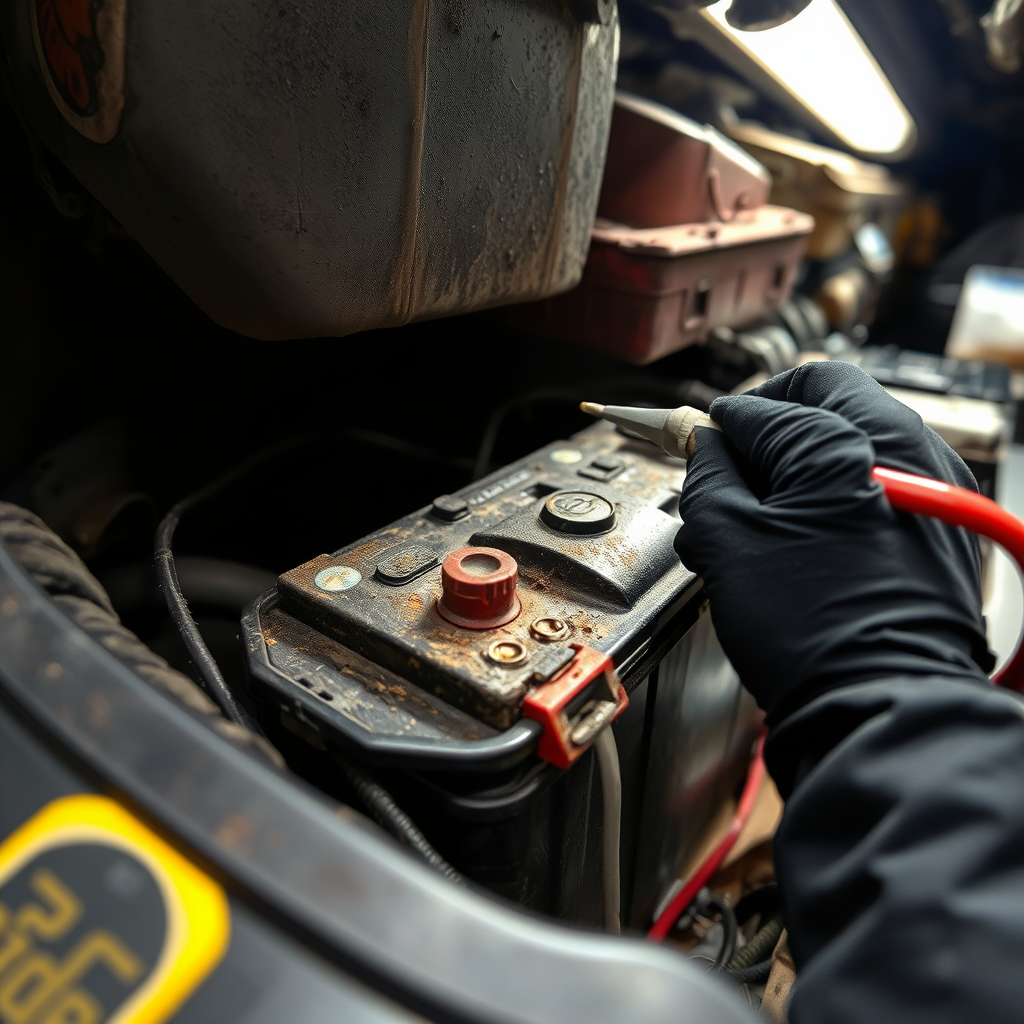
Introduction to EV Truck Battery Backup
In recent years, the significance of electric vehicle (EV) battery storage in trucks has surged, transforming the typical car battery from a simple vehicle component to a robust power supply solution. As the landscape of energy management evolves, the capacity of a truck battery to serve as a backup power source has become crucial, particularly in the face of increasing blackouts and power shortages. This paradigm shift is not only reshaping how we perceive battery maintenance and battery lifespan but also how we utilize these powerful energy reservoirs in practical scenarios.
Truck batteries, especially those in electric trucks, now offer a compelling alternative to traditional power backup systems. With advancements in technology, the best battery solutions in electric trucks can store significant amounts of energy, which can be redirected to power homes or even small businesses during outages. For instance, during a blackout, an electric truck parked in your garage can potentially keep lights on, refrigerators running, and essential devices charged, showcasing the dual utility of these energy powerhouses.
To effectively use a truck battery as a backup power supply, it’s essential to understand the mechanics and requirements of such a setup. First, ensure your vehicle’s battery has been properly maintained, as regular battery maintenance is crucial for optimal performance and longevity. Regular checks and balances can significantly enhance your battery lifespan, ensuring it’s ready when you need it most. Additionally, integrating your truck battery into a home energy system often requires specific inverters and connectors, which should be installed by professionals to ensure safety and efficiency.
FAQs:
- What is the lifespan of a truck battery used for backup? – With proper maintenance, a truck battery can last several years, providing reliable backup power when needed.
- How often should I perform battery maintenance? – Regular checks should be conducted at least twice a year, or more frequently if the truck is used intensively.
Understanding EV Truck Battery Capacity and Lifespan
Electric vehicle (EV) truck owners are increasingly relying on their vehicles’ powerful batteries to serve dual purposes, not only powering their travels but also acting as a backup energy source to prevent blackouts. At the heart of this capability lies an understanding of truck battery capacity and how it affects performance.
The capacity of a truck battery is measured in kilowatt-hours (kWh), which indicates the energy it can store. A higher capacity means a longer range, allowing the truck to travel further on a single charge. For instance, a truck with a 100 kWh battery might offer a range exceeding 300 miles, depending on driving conditions and vehicle efficiency. This capacity is crucial for both daily commutes and longer trips, making it a vital consideration when choosing the best battery for your needs.
Battery lifespan is another critical factor for EV truck owners. On average, EV batteries are designed to last between 8 to 15 years, largely influenced by driving habits, charging patterns, and environmental conditions. To maximize battery lifespan, regular battery maintenance is essential. For example, avoiding extreme temperatures and maintaining a charge level between 20% and 80% can significantly extend battery life. Additionally, using a Level 2 charger instead of a fast charger can reduce stress on the battery, preserving its longevity.
Actionable tips for extending your truck battery’s life include scheduling regular check-ups with a certified technician and keeping software updates current to optimize battery management systems. It’s also advisable to monitor the battery’s state of health (SOH) through diagnostic tools, ensuring any issues are promptly addressed.
In summary, understanding the nuances of truck battery capacity and lifespan not only enhances performance but also ensures that your vehicle remains a reliable power source, even during unpredictable power outages. By adhering to best practices in battery maintenance, EV truck owners can enjoy both enhanced vehicle longevity and peace of mind.
EV Battery Charging Solutions for Trucks
The rise of electric vehicles (EVs) has ushered in innovative solutions for charging truck batteries, each tailored to enhance the efficiency and longevity of these powerful storage units. Understanding the various EV battery charging solutions available for trucks can significantly impact how effectively and economically these vehicles operate. From fast-charging stations to portable charging units, each option presents distinct advantages and considerations for maximizing your car battery’s potential.
Charging Solutions Overview
One popular solution is the **Level 2 Charging Station**, which offers a faster charging time compared to standard outlets. These are often installed at home garages or commercial sites, providing convenience and efficiency. For those on the move, **DC Fast Chargers** offer a quick boost, replenishing a truck battery to 80% capacity in approximately 30 minutes. This rapid charging is ideal for long-haul drivers and fleet operators who need to minimize downtime.
For more remote or off-grid scenarios, **portable solar chargers** are gaining traction. While they provide a slower charge, they are an eco-friendly option that ensures your truck battery remains charged even in isolated locations. These solutions reflect the diverse needs of EV truck owners, highlighting the importance of selecting the best battery charging method tailored to individual operational requirements.
Benefits of Efficient Charging Solutions
Implementing efficient charging solutions not only impacts immediate usability but also plays a crucial role in maximizing the battery lifespan. Regular and appropriate charging can prevent overcharging and deep discharging, both of which can degrade a truck battery’s performance over time. For instance, consistent use of Level 2 chargers at appropriate intervals can enhance battery maintenance, reducing wear and tear.
Moreover, efficient charging practices contribute to a sustainable energy management system, which is especially beneficial in preventing unexpected blackouts. By understanding and leveraging these efficient charging solutions, EV truck owners can ensure that their best battery investments remain viable and reliable for years. This approach not only safeguards the longevity of the vehicle but also enhances the overall economic efficiency of using electric trucks in various applications.
Actionable Tips
– **Regularly Monitor Battery Health**: Use diagnostic tools to check the truck battery’s status and identify any potential issues early.
– **Optimize Charging Schedules**: Charge during off-peak hours to reduce costs and stress on the grid.
– **Stay Informed on Technological Advances**: Keep abreast of new charging technologies and infrastructure developments to continually improve your charging strategy.
By incorporating these actionable strategies, EV truck owners can maintain optimal performance and extend the life of their car batteries effectively.
Preventing EV Battery Blackouts in Trucks
As electric vehicles (EVs) become more prevalent, understanding the importance of preventing battery blackouts in trucks is essential. Electric trucks are often equipped with large car batteries that serve dual purposes: powering the vehicle and acting as backup power sources during outages. However, the effectiveness of these systems relies heavily on robust EV battery blackout prevention strategies.
The importance of EV battery blackout prevention strategies cannot be overstated. A well-maintained truck battery not only ensures reliable transportation but also provides an emergency power supply during blackouts. To maximize battery lifespan and performance, regular battery maintenance is crucial. This includes routine inspections to check for corrosion, ensuring connections are secure, and monitoring charge levels to prevent over-discharge. Moreover, investing in the best battery technology available can significantly reduce the chances of unexpected failures, providing peace of mind for EV owners.
Technological solutions play a pivotal role in ensuring a reliable truck battery power supply. Advanced battery management systems (BMS) are now integrated into many EVs, allowing for real-time monitoring of battery health and performance. These systems alert drivers to potential issues before they lead to failure, enabling proactive maintenance. Additionally, many EVs now come equipped with features like regenerative braking, which helps extend battery life by partially recharging the battery during operation.
For those looking to further enhance their truck’s battery reliability, consider implementing a checklist of routine practices. Start by checking the battery’s state of charge regularly and scheduling professional inspections at least twice a year. It is also advisable to keep the battery clean and free from debris, as dirt can contribute to poor conductivity and efficiency.
FAQs:
- How often should I perform battery maintenance? Regular maintenance should be conducted every three months, with professional inspections twice a year.
- What is the benefit of regenerative braking? Regenerative braking helps in extending the battery lifespan by converting kinetic energy back into stored energy in the truck battery.
By adopting these strategies and technologies, EV owners can significantly reduce the risk of battery blackouts, ensuring their trucks remain reliable power sources even during unexpected outages.
Vehicle-to-Home Power Systems and Renewable Energy Storage
In recent years, the evolution of vehicle-to-home (V2H) power systems has revolutionized how electric vehicles (EVs) are used beyond just transportation. These systems allow EV owners to tap into their vehicle’s car battery capacity to power their homes during outages, offering a sustainable and efficient solution to prevent blackouts. As more people invest in electric trucks, the truck battery becomes a critical component in this energy ecosystem. This technology not only enhances energy security but also promotes the utilization of renewable energy sources, making it a win-win for both homeowners and the environment.
EV trucks play a pivotal role in renewable energy storage and home energy backup systems, thanks to their large battery capacities. For instance, during a power outage, an electric truck with a fully charged battery can supply electricity to an average home for several days, depending on the household’s energy consumption patterns. This capability is particularly beneficial in regions prone to severe weather conditions or in rural areas where power restoration might take longer. By acting as a mobile power plant, an EV truck’s best battery can effectively bridge the gap during emergencies, providing peace of mind and uninterrupted power supply.
To maximize the benefits of V2H systems, it’s essential to maintain the battery health through regular battery maintenance. Proper care not only extends the battery lifespan but also ensures optimal performance when needed most. Regular checks, avoiding deep discharges, and keeping the battery at an optimal charge level are some actionable tips for maintaining a healthy battery. Table 1 below outlines a simple checklist for EV owners:
| Battery Maintenance Tip | Action |
|---|---|
| Regular Inspections | Check battery health monthly |
| Avoid Deep Discharges | Recharge before dropping below 20% charge |
| Temperature Control | Park in shaded areas or garages |
As the adoption of EVs continues to grow, the integration of V2H systems represents a forward-thinking approach to energy management. By leveraging the power of the truck battery, homeowners can harness renewable energy effectively while ensuring a reliable backup during power outages.
EV Battery Energy Management and Grid Support
The evolution of electric vehicles (EVs) has introduced innovative battery energy management practices that are revolutionizing how we approach both automotive technology and energy grid support. At the heart of this transformation is the car battery. Modern electric trucks come equipped with powerful truck batteries that do far more than power the vehicle—they are becoming integral components of energy management systems designed to stabilize power grids.
Explanation of EV Battery Energy Management Practices
Electric vehicles are engineered with advanced battery management systems (BMS) that optimize the performance and lifespan of the car battery. These systems monitor battery health, regulate charging cycles, and ensure that the energy discharge is efficient. A well-maintained battery can significantly extend the lifespan of the vehicle, making regular battery maintenance a crucial routine for EV owners. For instance, adhering to a consistent charging schedule can prevent overcharging and improve the overall battery lifespan.
To further illustrate, consider the best battery management practices which suggest maintaining the state of charge between 20% to 80% to prolong battery life. This approach not only enhances the longevity of the truck battery but also maximizes its efficiency when used as a power source for homes or other devices.
How Electric Truck Power Capabilities Contribute to Energy Grid Support from EVs
Electric trucks, with their substantial battery capacities, provide an innovative solution to energy grid challenges. These vehicles can feed electricity back into the grid during peak demand periods, thereby acting as mobile power stations. This practice, known as vehicle-to-grid (V2G) technology, transforms EV owners into active participants in energy management, helping to prevent blackouts and stabilize the grid.
For example, during a heatwave when energy demand skyrockets, an electric truck’s battery can supply power to the grid, reducing the risk of outages. This not only showcases the utility of the truck battery but also presents a sustainable approach to managing energy resources. By using V2G systems, EV owners can potentially earn credits or reduce their energy bills, making it a financially viable option as well.
In summary, the strategic use of car and truck batteries in EVs extends beyond automotive benefits, offering substantial support to energy grids. By adhering to battery maintenance guidelines and leveraging V2G technology, EV owners can ensure they are using the best battery practices to contribute to a more stable and sustainable energy future.
Innovative Battery Management Systems for Trucks
The integration of advanced battery management systems (BMS) in electric trucks is revolutionizing the industry, offering a new level of efficiency and reliability. These cutting-edge systems are designed to optimize the performance of truck batteries, ensuring they remain the best battery choice for heavy-duty applications. A comprehensive overview of these systems reveals their critical role in enhancing truck performance, extending battery lifespan, and ensuring robust battery maintenance.
At the core of these advanced systems is the ability to provide real-time monitoring and management of the car battery’s health. Sophisticated sensors and software algorithms work together to track various parameters such as temperature, charge cycles, and voltage, which are essential for maintaining optimal battery performance. For instance, by monitoring temperature fluctuations, the BMS can prevent overheating, which is a common issue that shortens the lifespan of any truck battery. This proactive approach not only improves reliability but also maximizes the energy efficiency of the vehicle.
The impact of these advanced battery management systems on overall truck performance and reliability cannot be overstated. By ensuring each truck battery operates within its optimal range, these systems significantly reduce the risk of unexpected failures and downtime. For example, during long hauls or extreme weather conditions, a well-maintained battery system ensures consistent power delivery, which is crucial for both performance and safety. Additionally, these systems facilitate predictive maintenance, allowing fleet managers to schedule timely servicing before minor issues escalate into major repairs.
For truck owners looking to invest in these innovative systems, here are some actionable tips:
1. **Regular Software Updates**: Ensure that the BMS software is always up-to-date to take advantage of the latest features and improvements.
2. **Routine Inspections**: Schedule regular inspections to catch any anomalies early, thus preserving the truck battery’s lifespan.
3. **Training for Operators**: Educate drivers on the importance of battery maintenance and how to respond to BMS alerts.
For further clarity, here’s a simple FAQ:
**Q: How does a BMS enhance battery lifespan?**
A: By continuously monitoring and adjusting battery parameters, a BMS prevents conditions that could degrade the battery prematurely, thus extending its lifespan.
By leveraging these advanced battery management systems, electric truck owners can ensure their vehicles remain reliable, efficient, and ahead of the curve in the ever-evolving automotive landscape.
Conclusion
In the article, we explored how the innovative use of electric vehicle (EV) truck batteries is emerging as a pivotal solution in preventing blackouts and contributing to sustainable transportation. One of the key points discussed is the immense capacity of these truck batteries, which not only power the vehicles but can also serve as a backup energy source for homes and even small businesses. The integration of these batteries into the power grid showcases their potential in enhancing energy resilience and sustainability.
From a future outlook perspective, the role of EV truck batteries in sustainable transportation seems promising. As the demand for electric vehicles continues to rise, the car battery technology is expected to evolve, offering longer battery lifespan and improved battery maintenance options. These advances will likely lead to more efficient and reliable truck batteries, which could become a staple in both personal and commercial sectors.
Practical examples include regions prone to natural disasters where power outages are frequent. Here, EV owners can harness their truck batteries to maintain essential services during blackouts, reducing dependency on traditional generators. Additionally, businesses can leverage the best battery models to ensure continuity, especially in critical operations.
To maximize the benefits of using truck batteries in this manner, regular battery maintenance is crucial. This includes checking the battery’s health, ensuring proper charging practices, and keeping an eye on the battery lifespan. Users should be proactive in monitoring these aspects to avoid unexpected failures.
For those interested in optimizing their EV truck battery use, consider the following tips:
- Regularly update the vehicle’s software to ensure optimal battery performance.
- Invest in a high-quality car battery charger suitable for your truck’s model.
- Stay informed about the latest advancements in EV battery technology to capitalize on new features and capabilities.
In conclusion, as we look ahead, the integration of EV truck batteries into broader energy systems will likely be a key factor in advancing sustainable transportation. Whether you’re an automotive enthusiast or a business owner, understanding these developments and maintaining the best battery practices will be essential in leveraging these technologies effectively.